Safety starts with good leadership
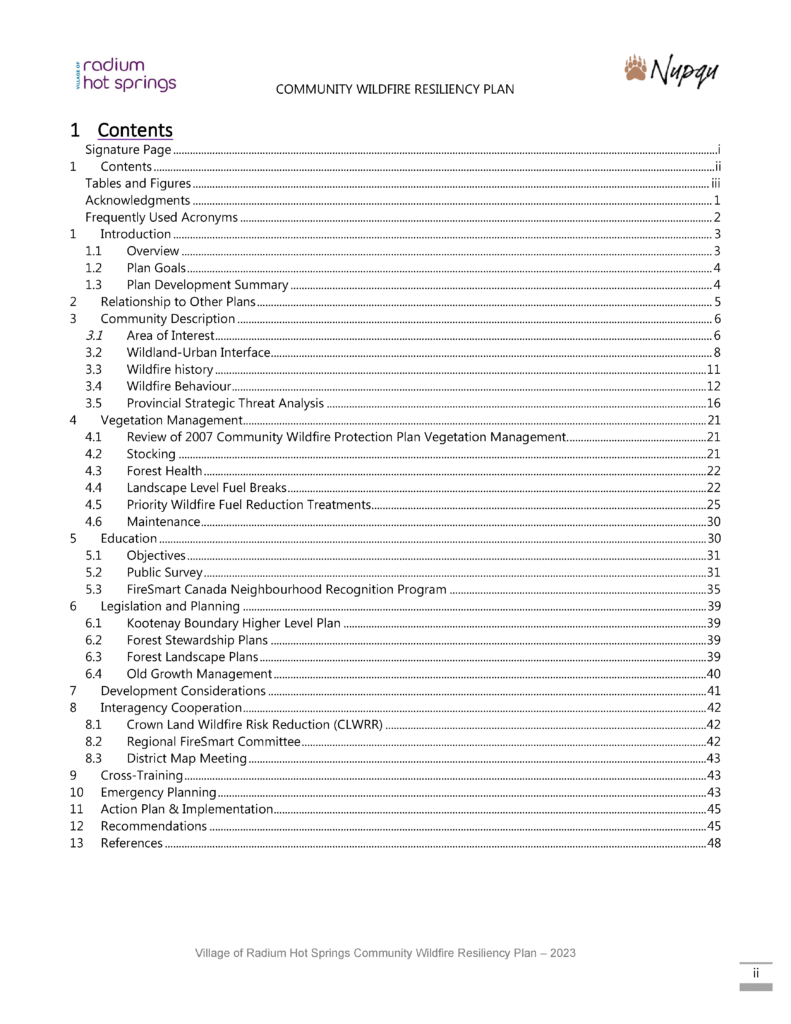
A comprehensive fire safety plan has become a growing concern and critical need for everyone living in Canada. Creating a Community Wildfire Resiliency Plan (CWRP) enhances a community’s ability to withstand and recover from wildfire events.
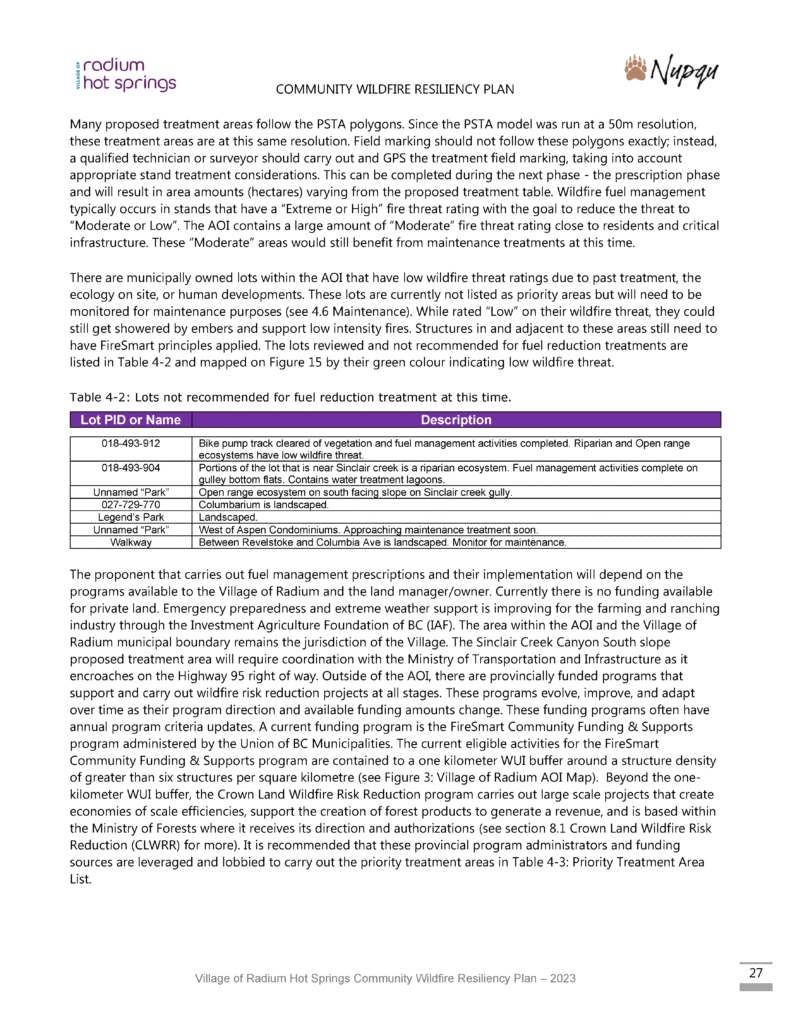
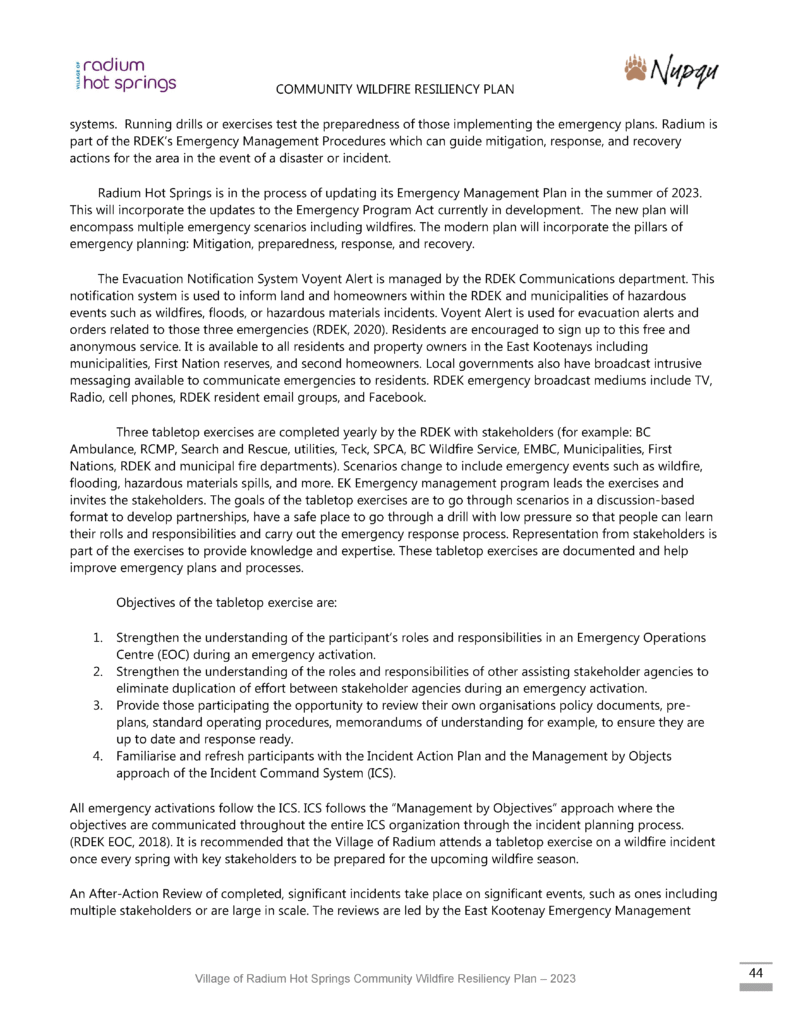
One of the primary benefits of a CWRP is the identification of specific wildfire risks and vulnerabilities within the municipality.
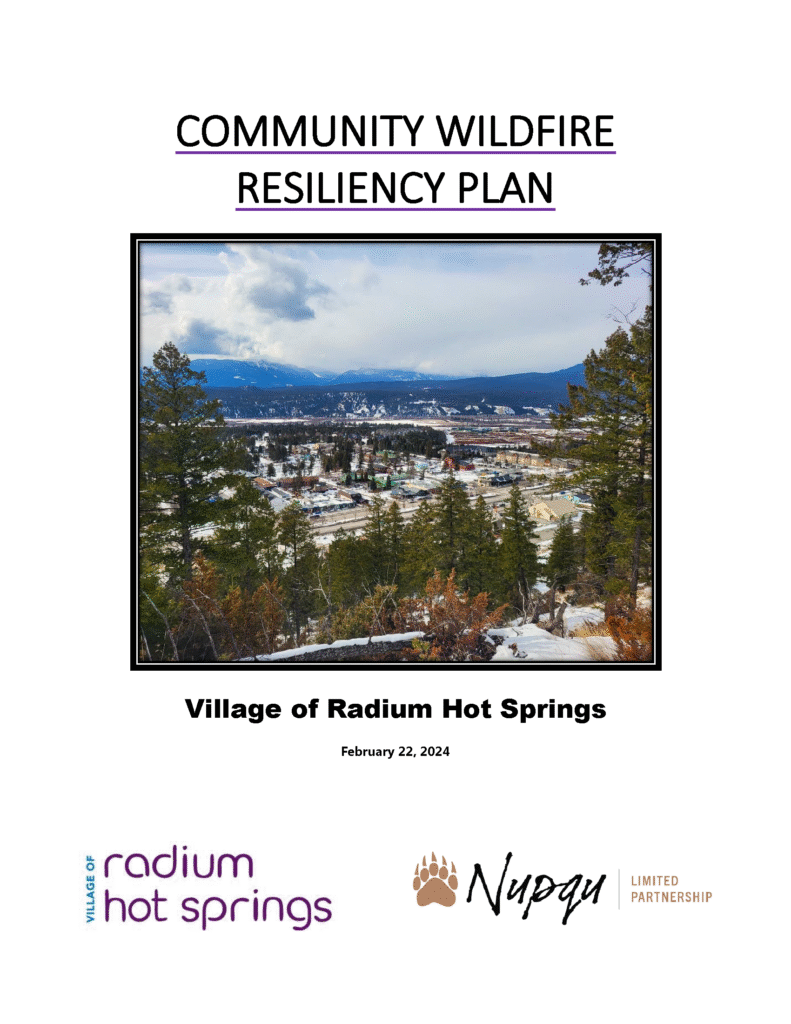
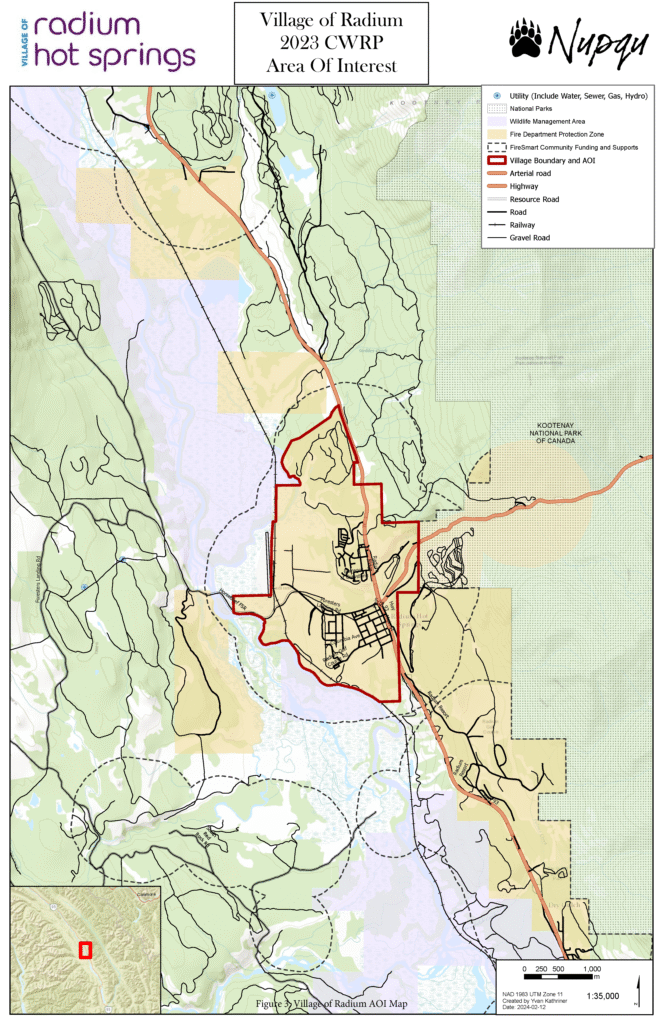
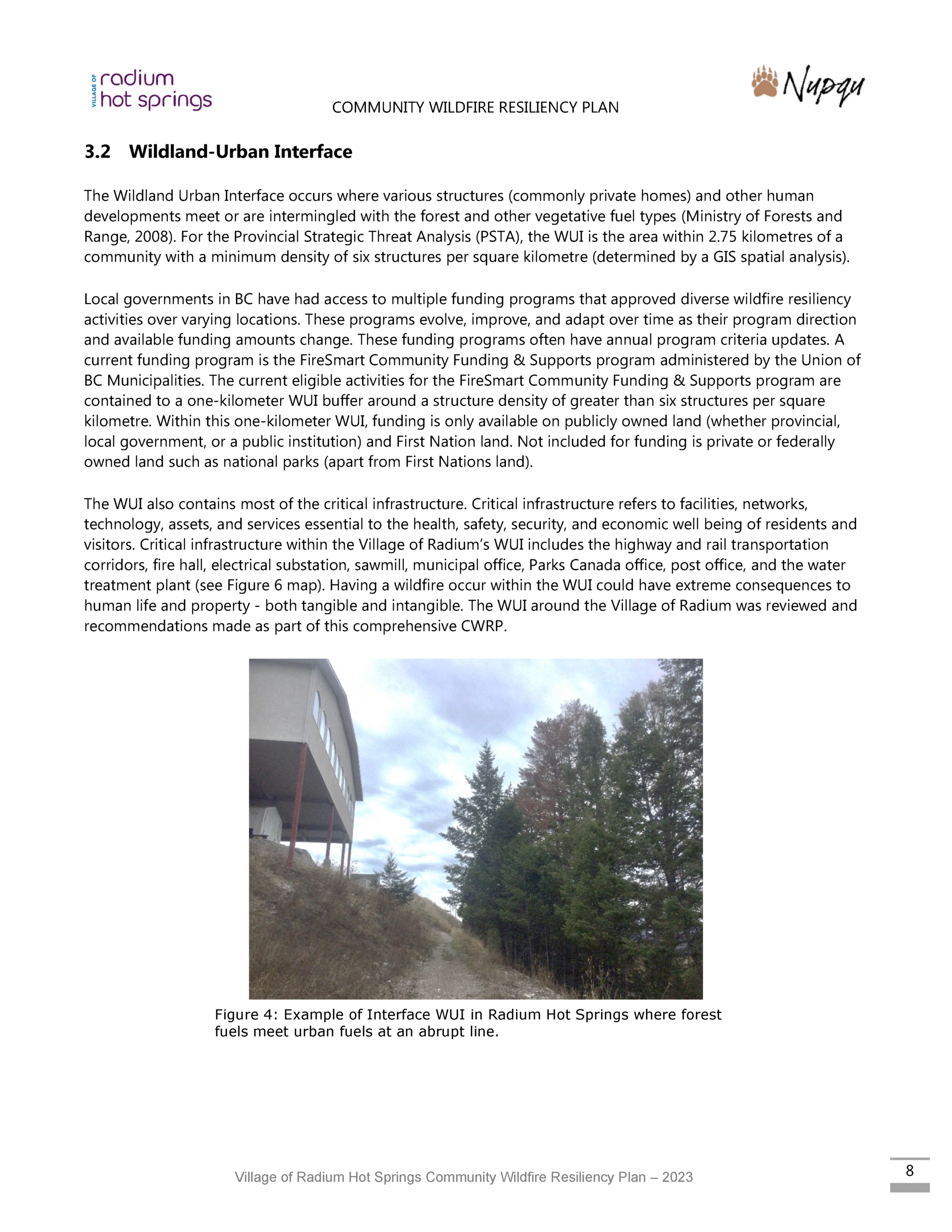
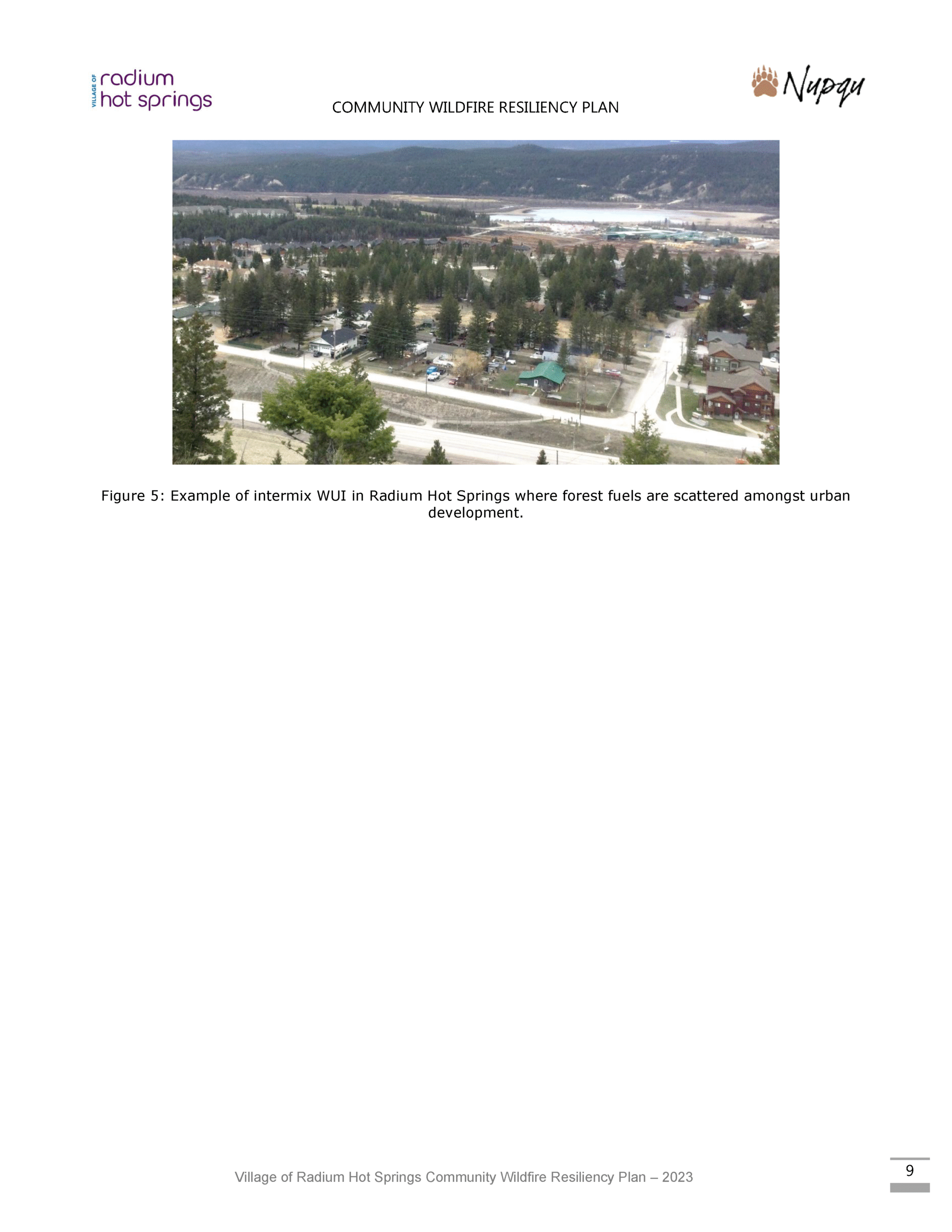
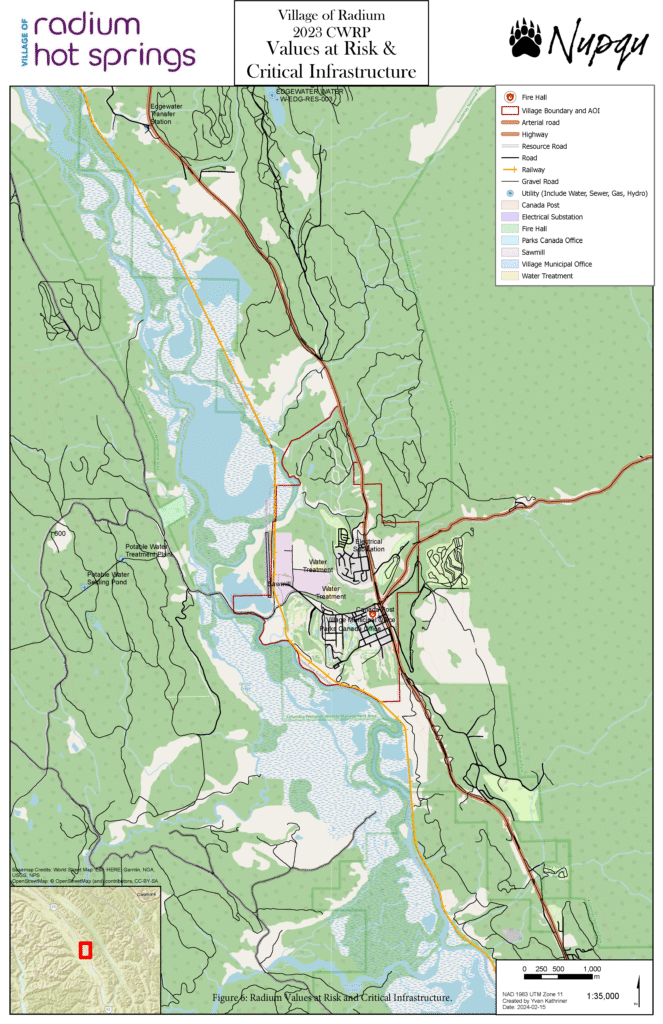
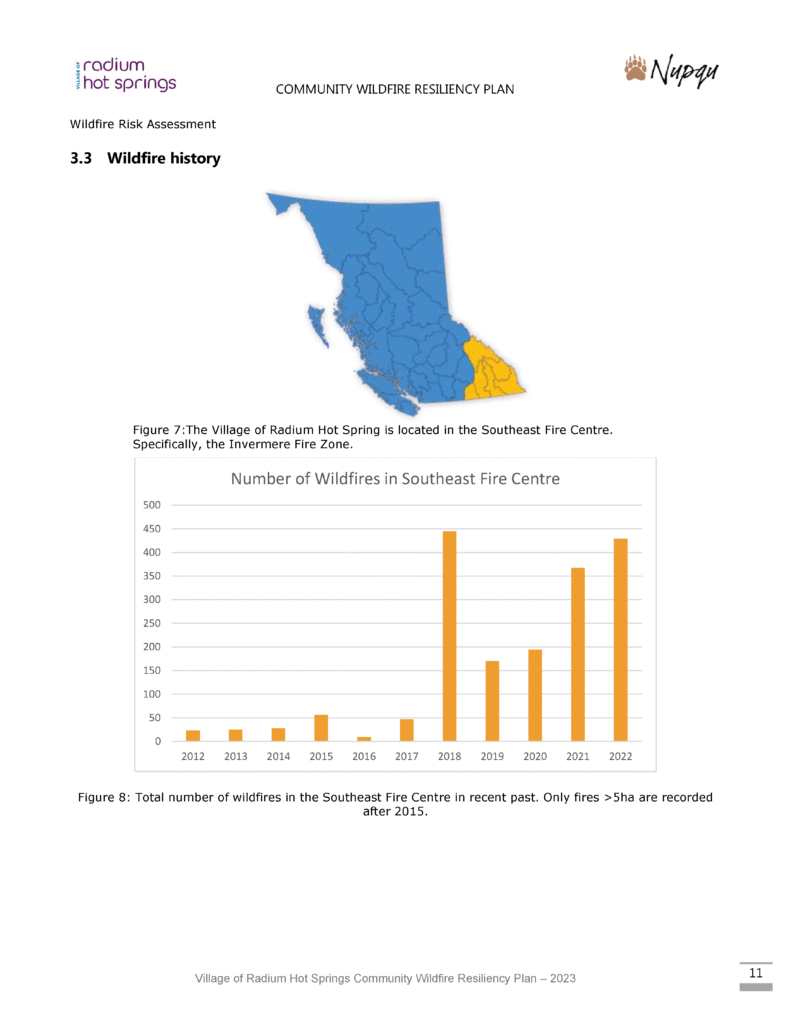
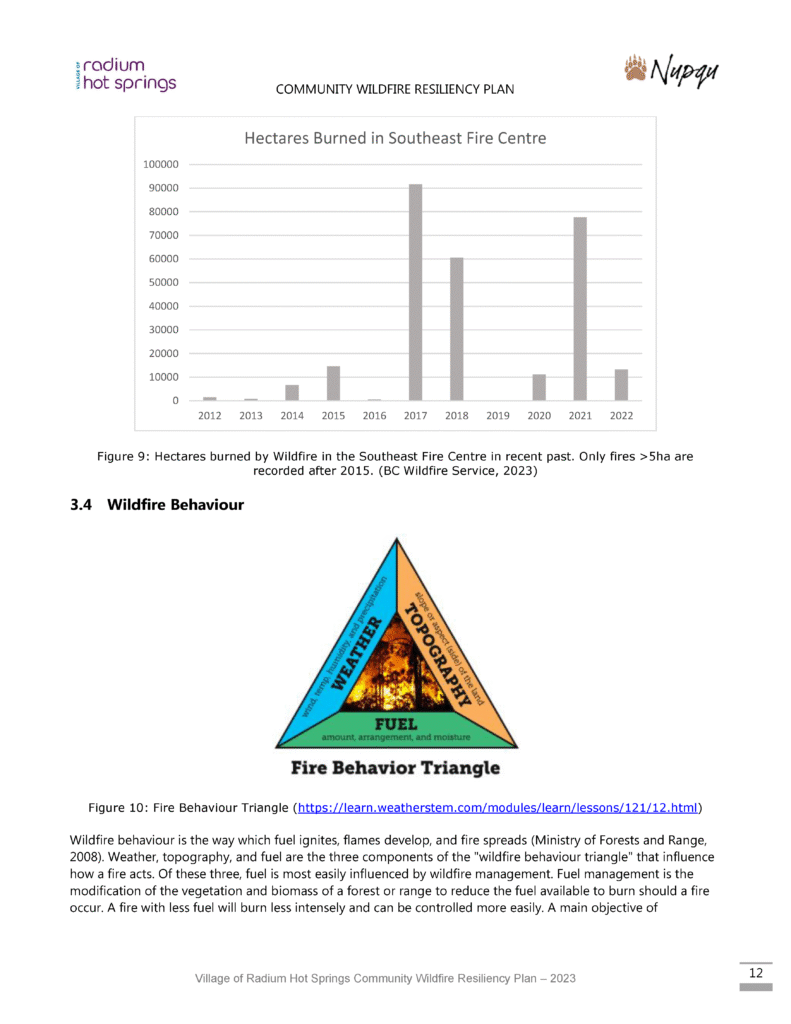
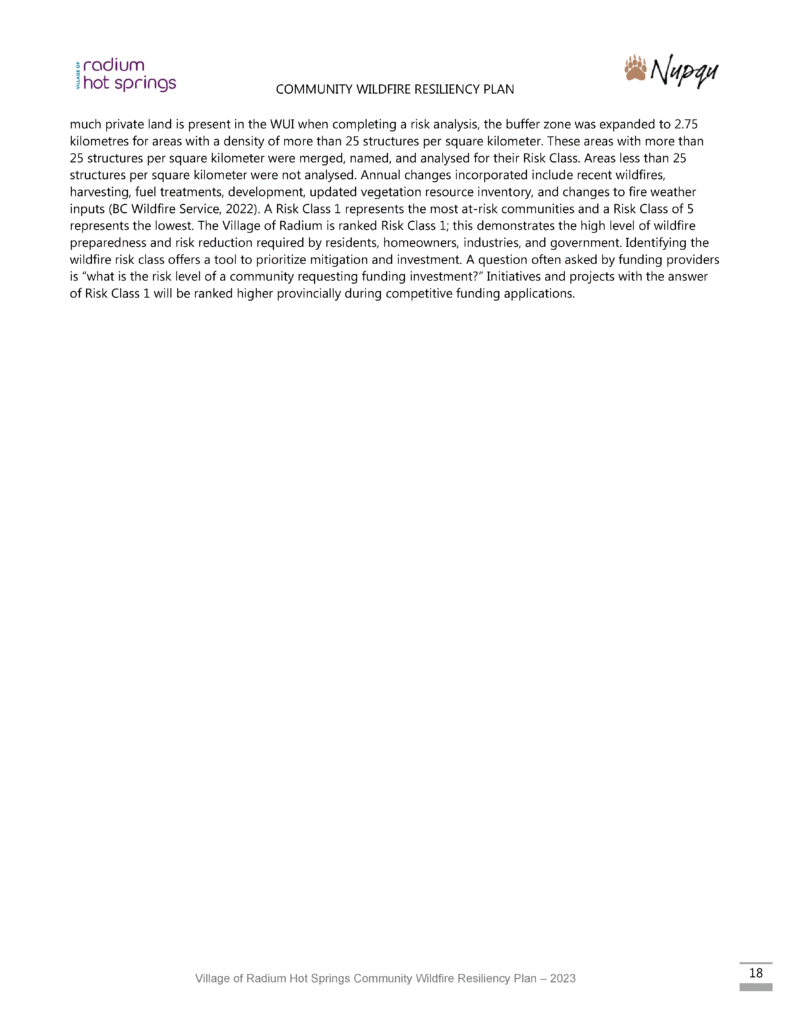
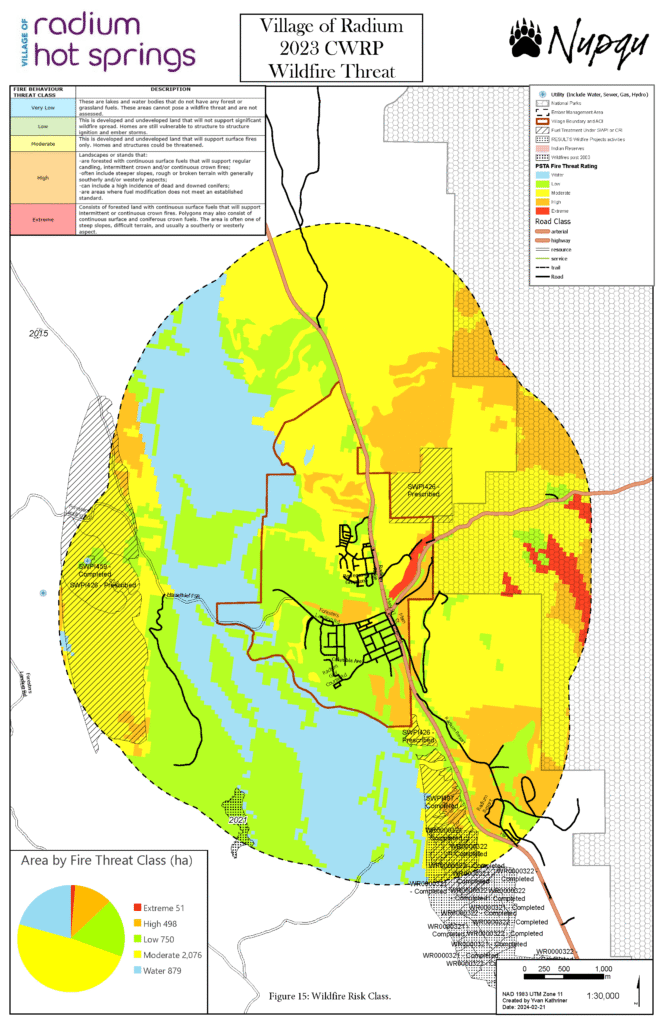
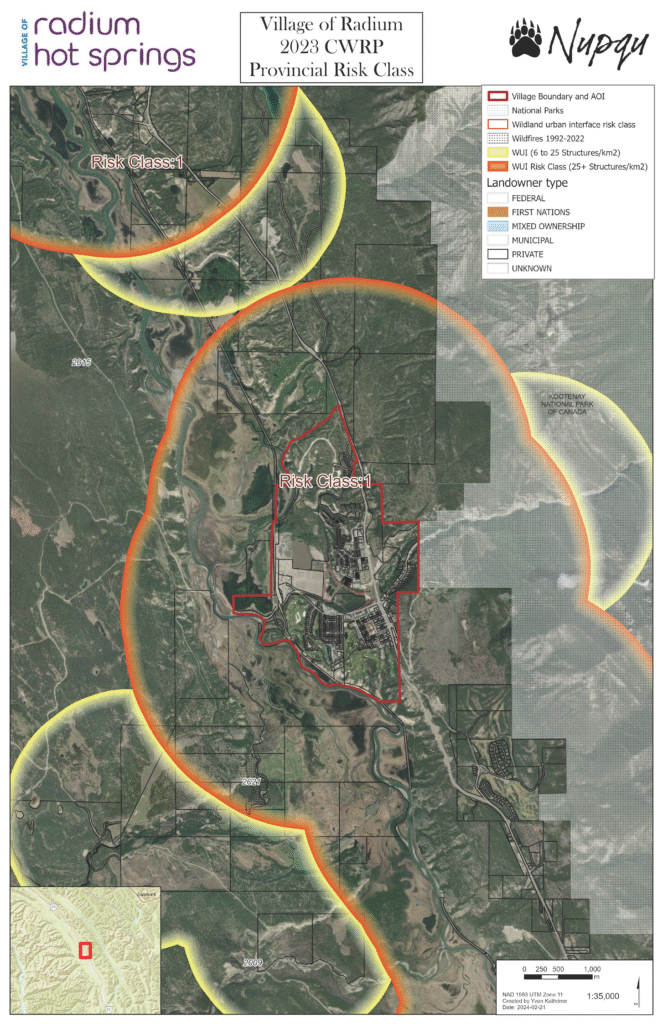
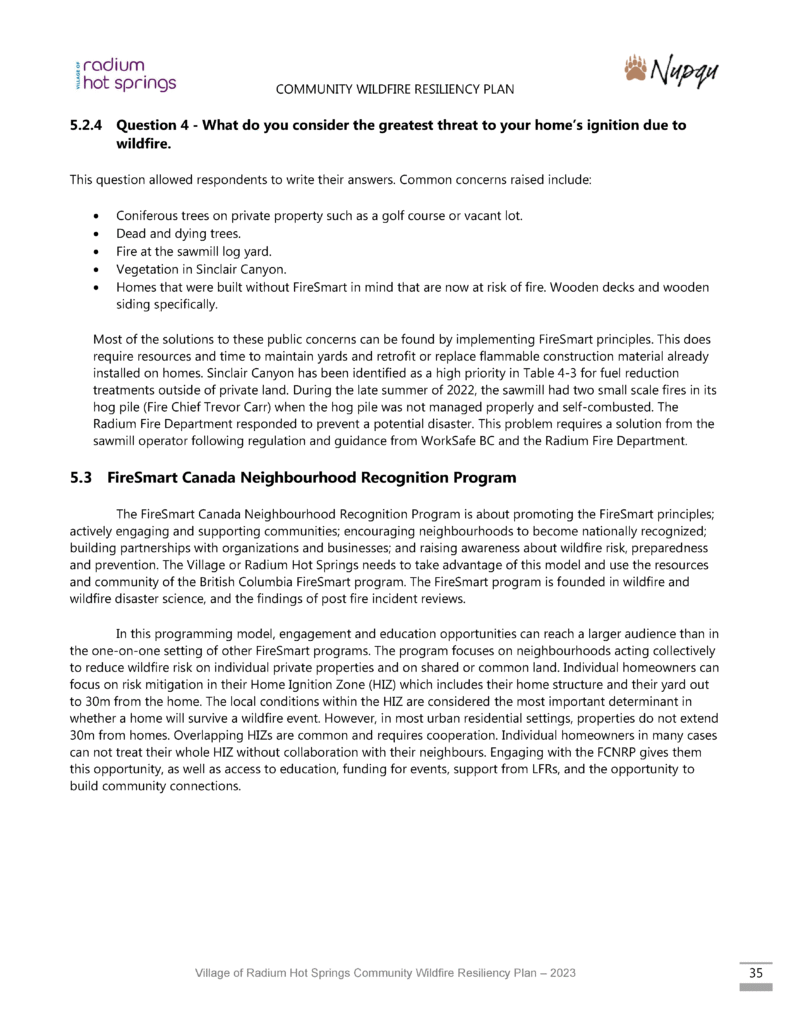
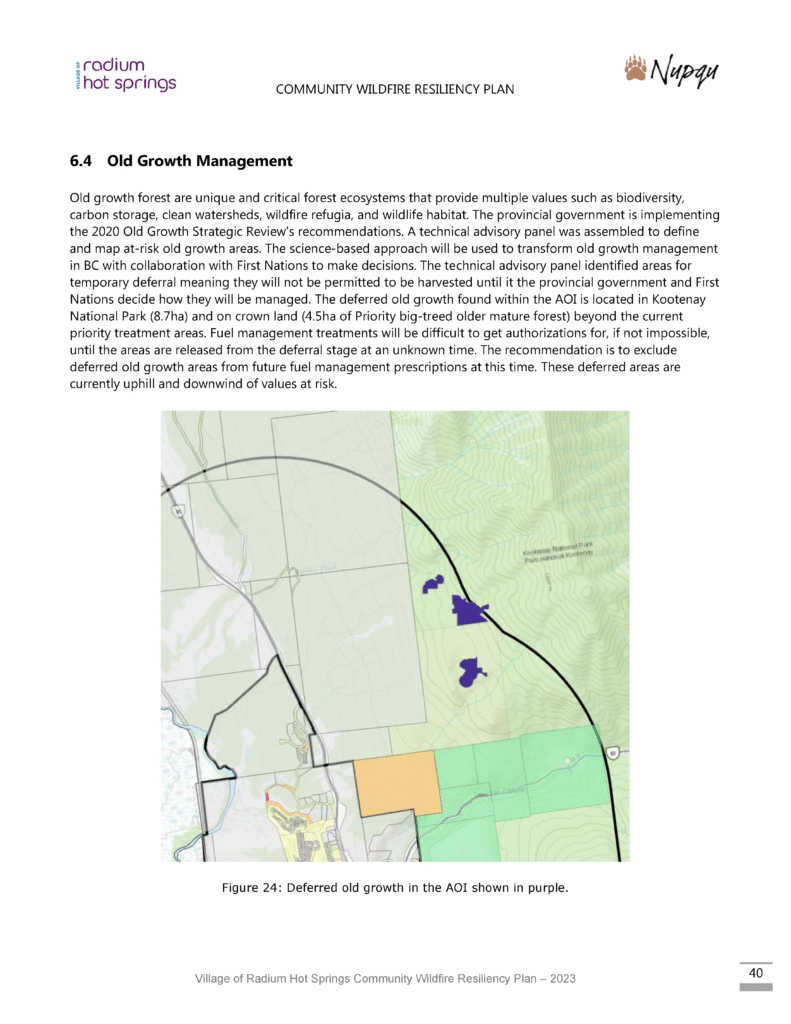
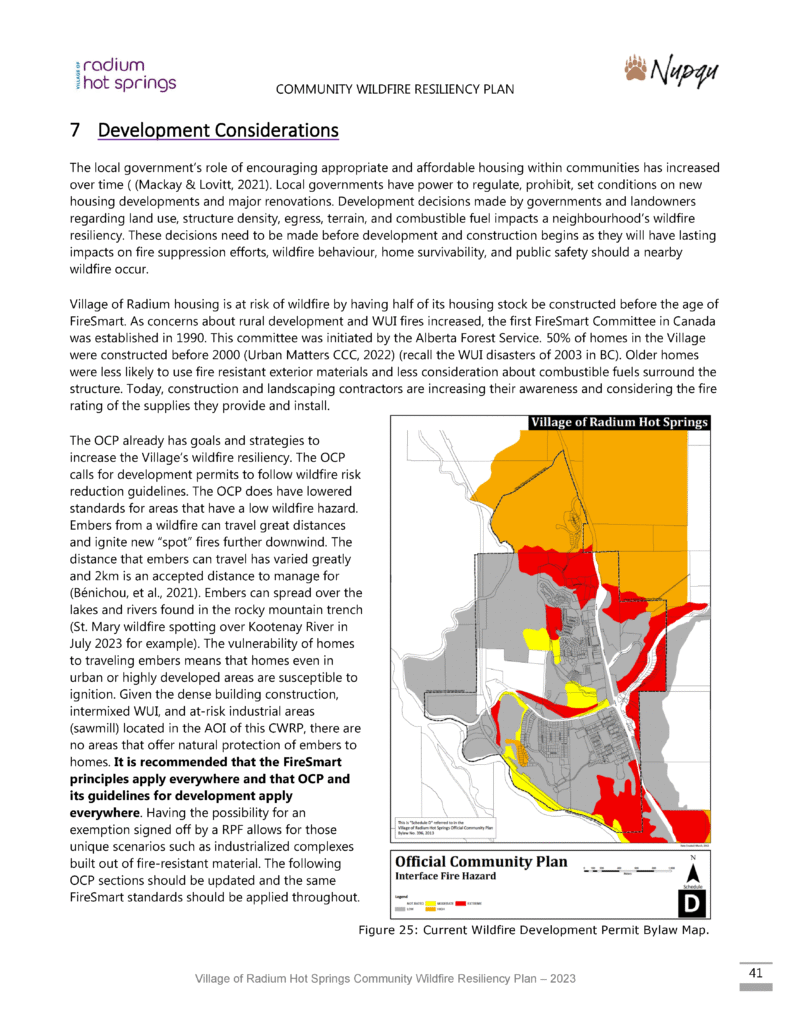
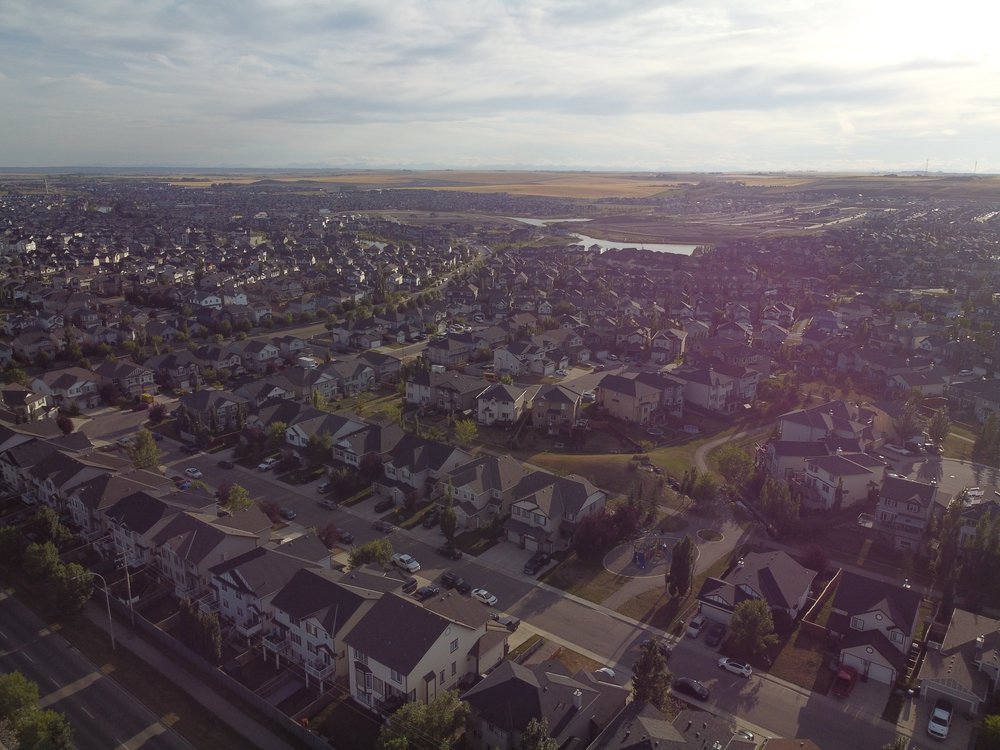
For example in our most recent report for, the Village of Radium Hotsprings our CWRP identified the Wildland Urban Interface (WUI), areas where structures and human development intermingle with forests.
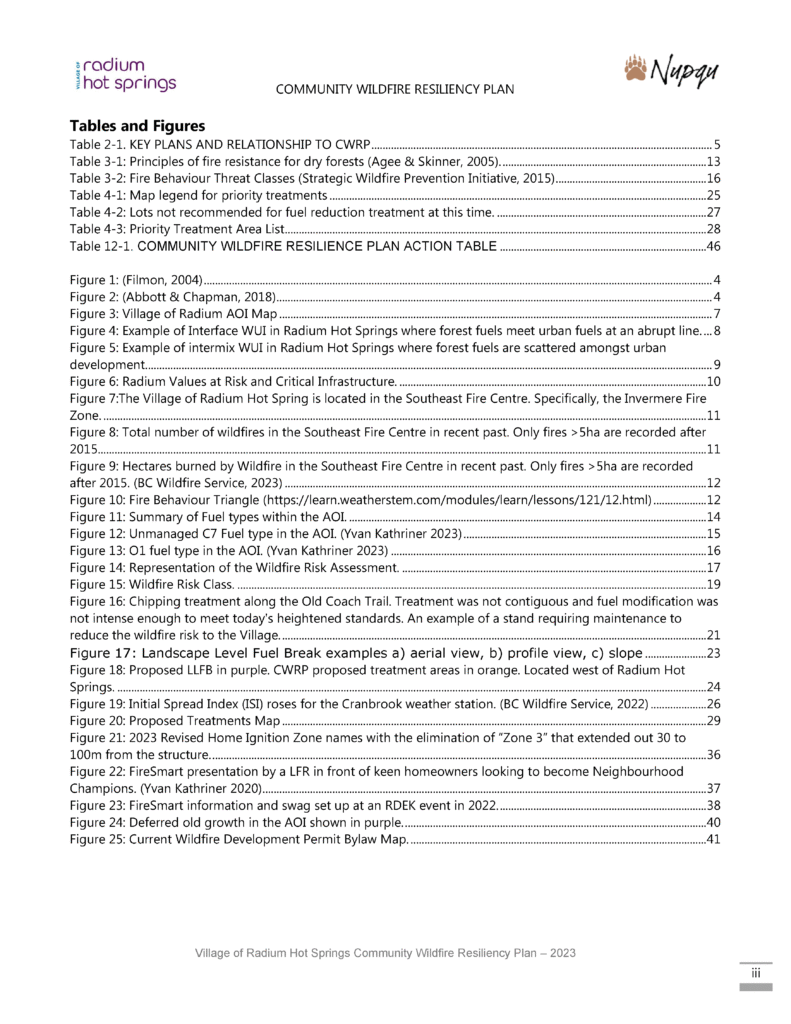
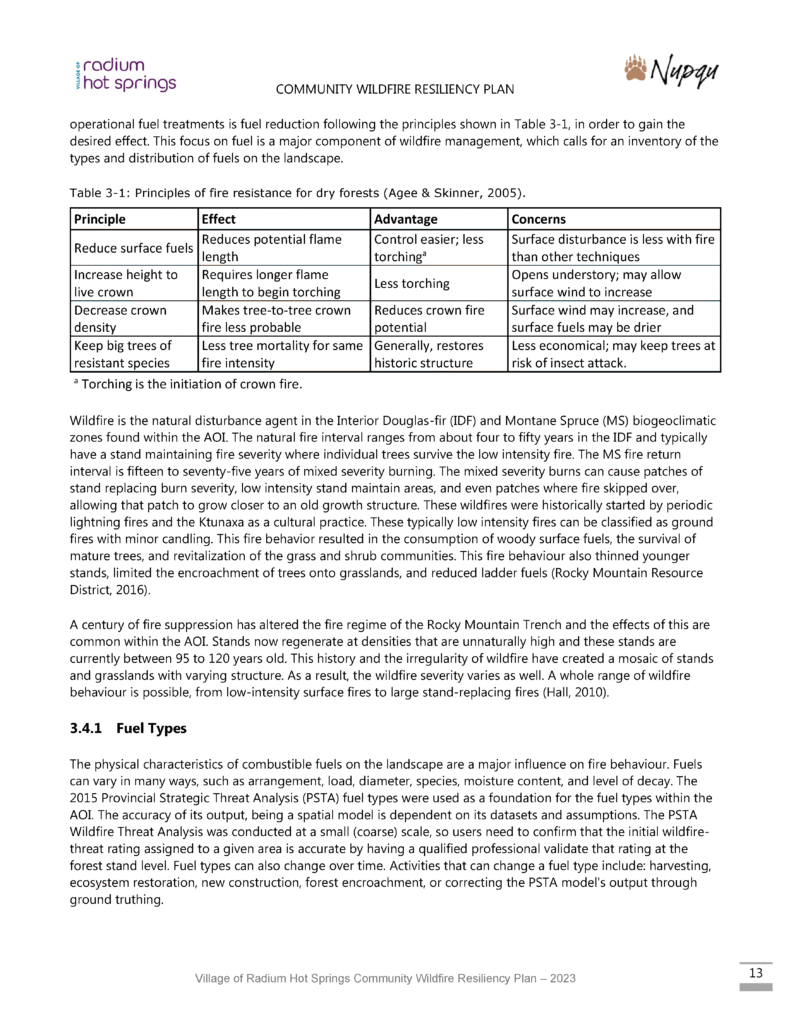
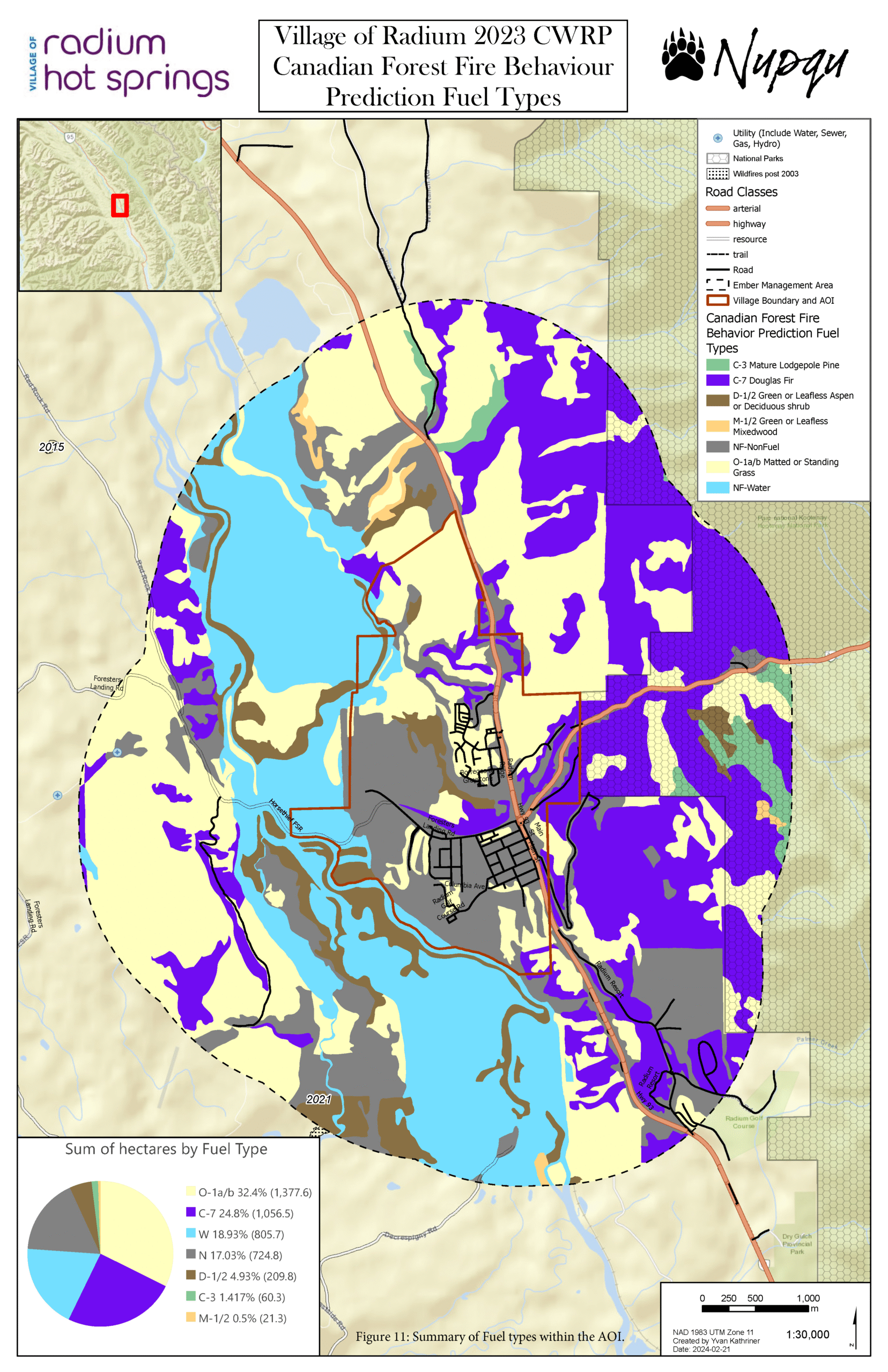
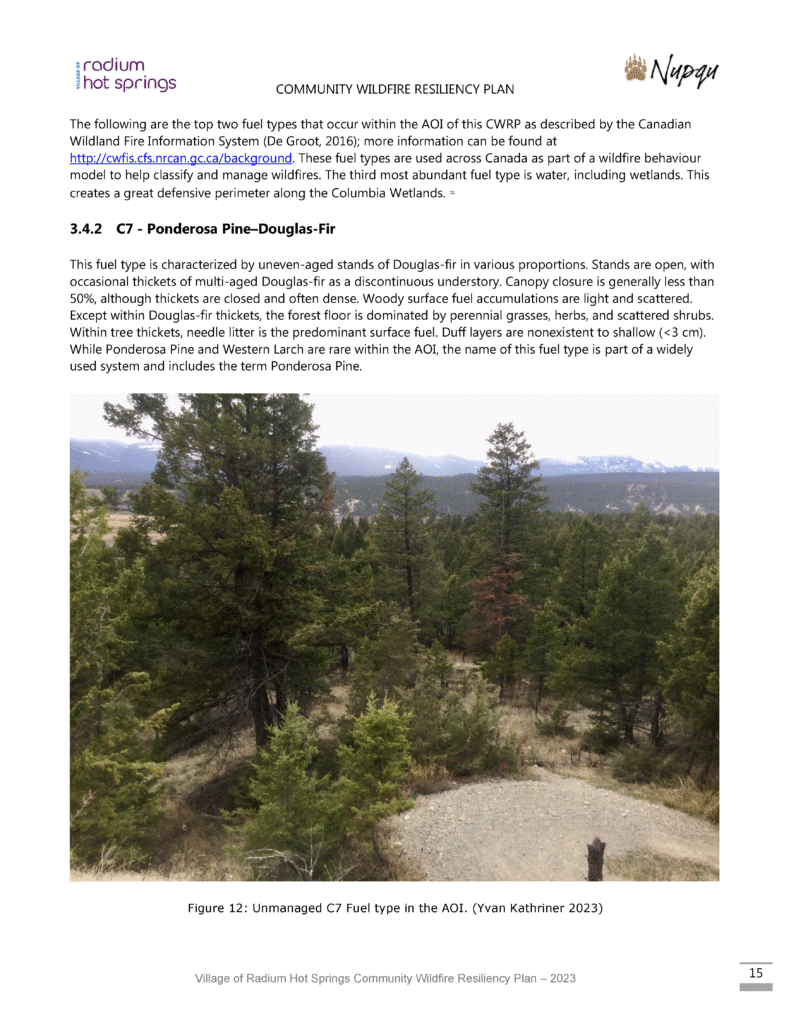
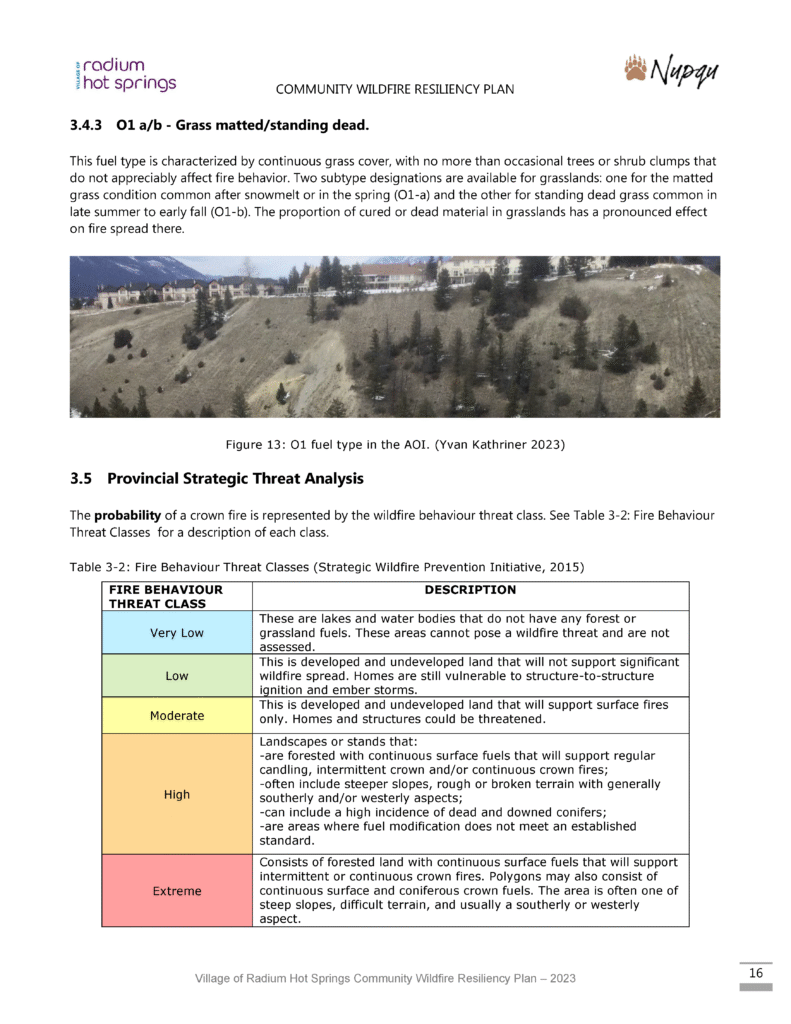
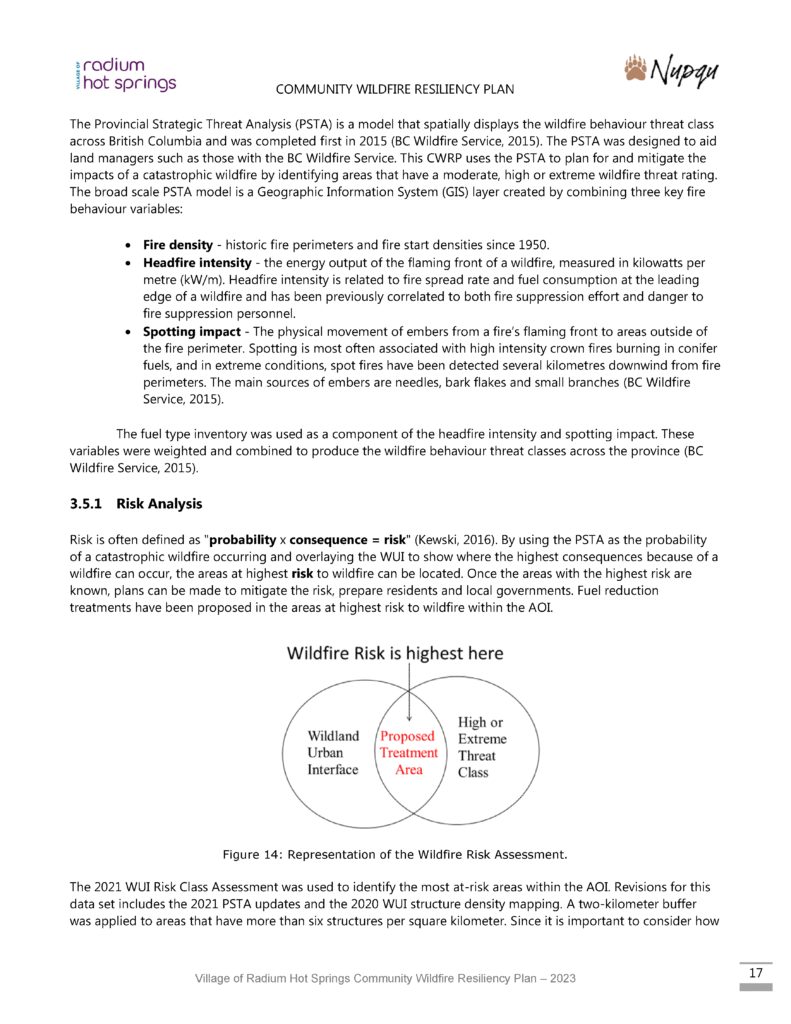
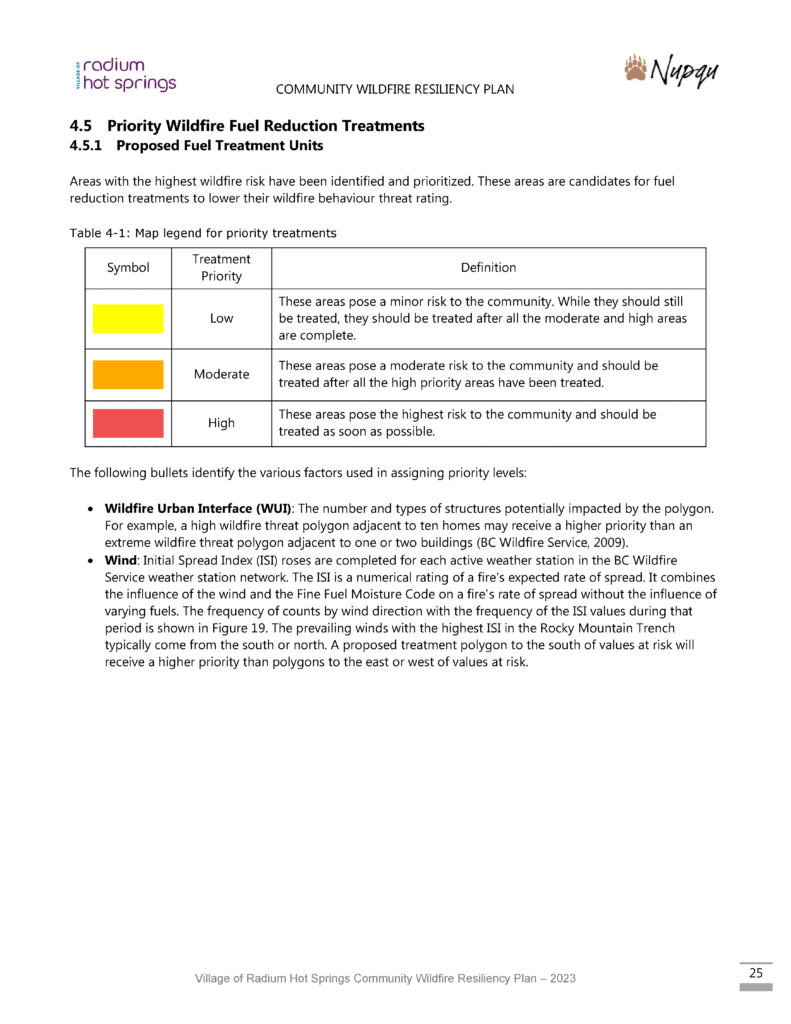
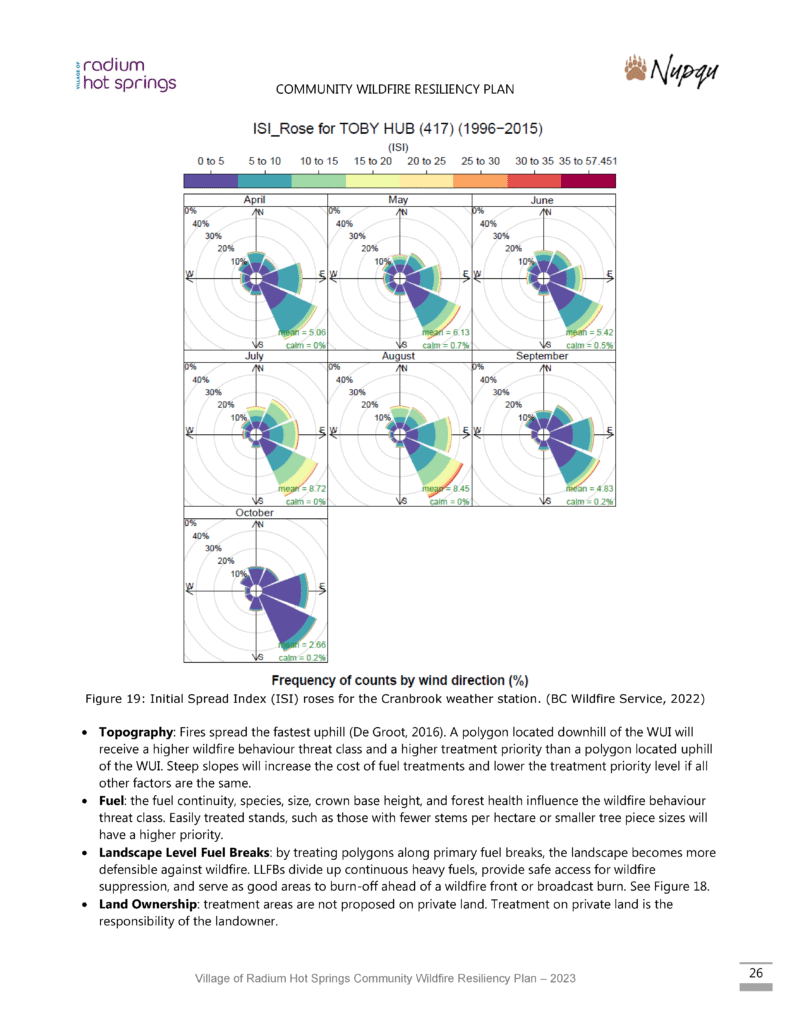
This critical zone requiring focused mitigation efforts. The plan details the types of fuel present in the area such as C7 (Ponderosa Pine-Douglas Fir) and O1 (grass). It also evaluates the fire behaviour threat, classifying areas from very low to extreme. This detailed risk assessment allows the municipality to prioritize areas for fuel reduction treatments and other risk mitigation activities.
Peace of Mind, Leading Responsible Communities
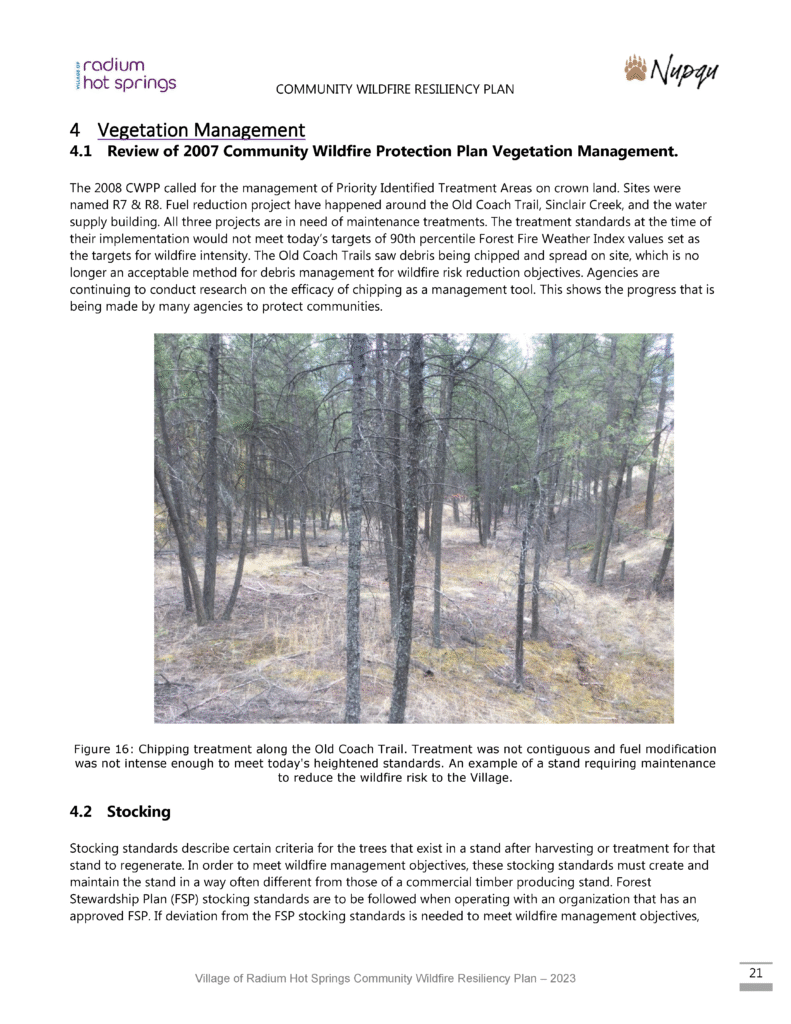
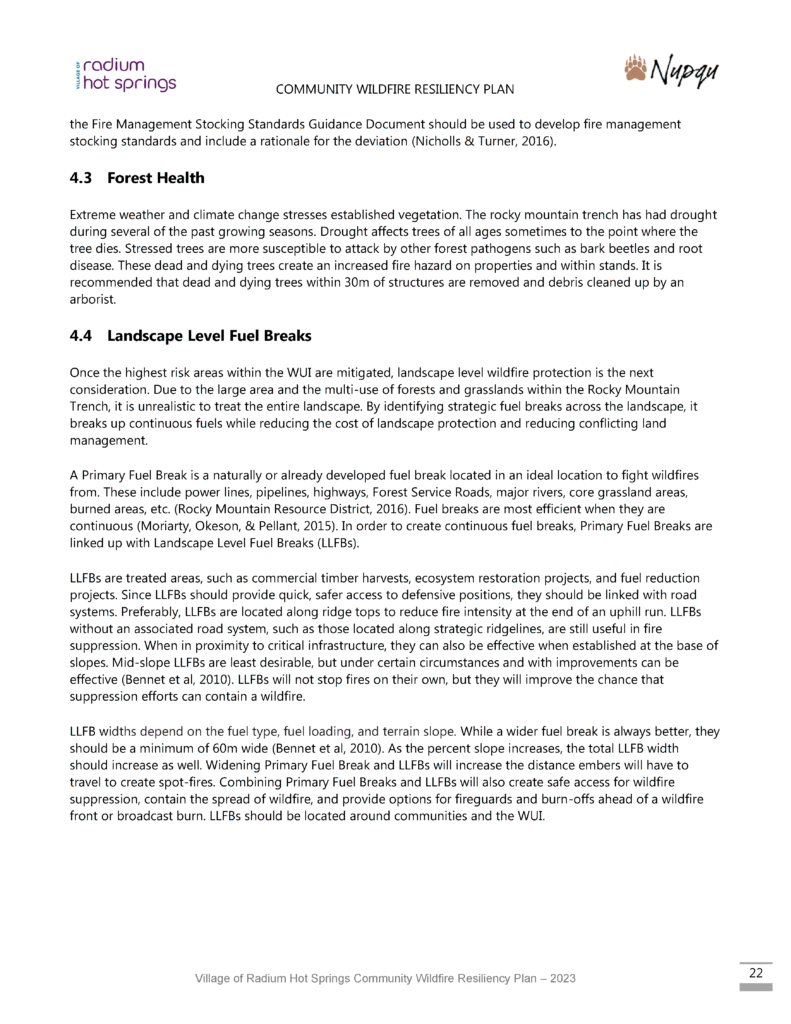
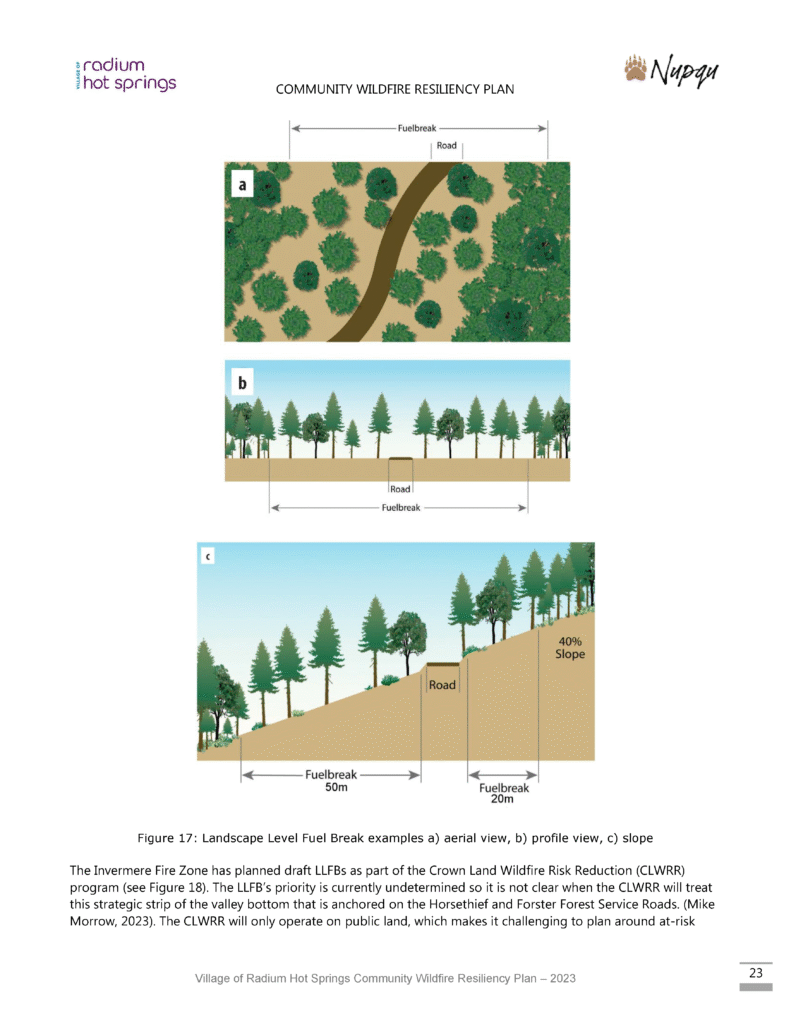
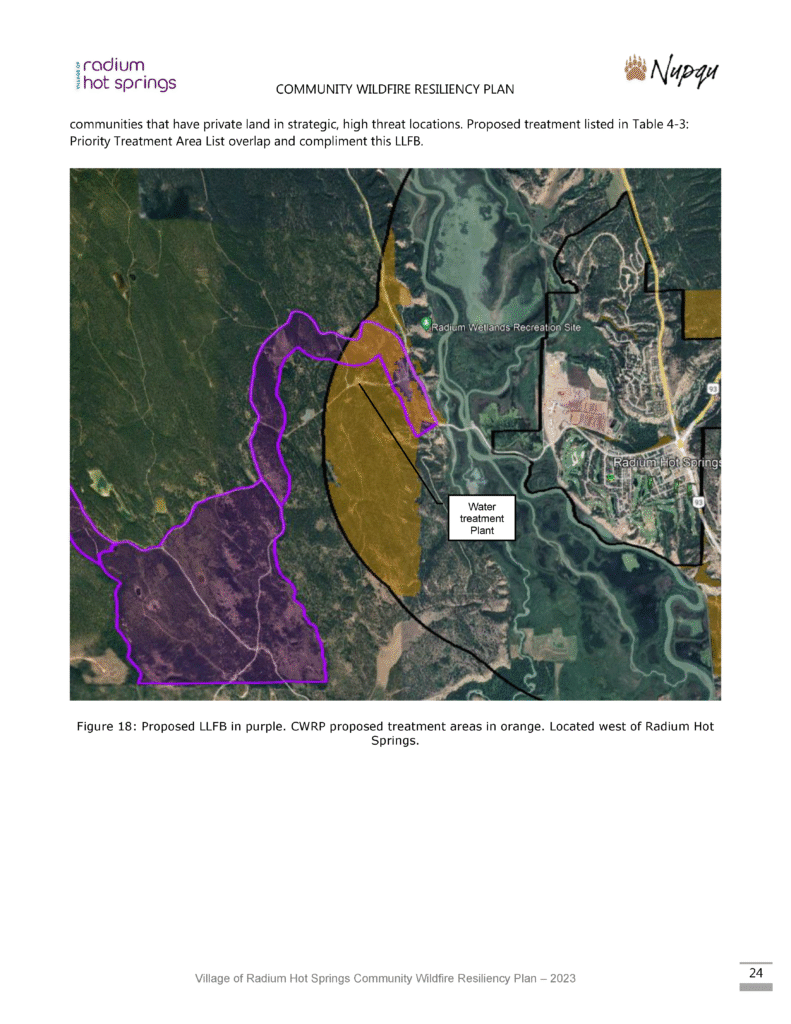
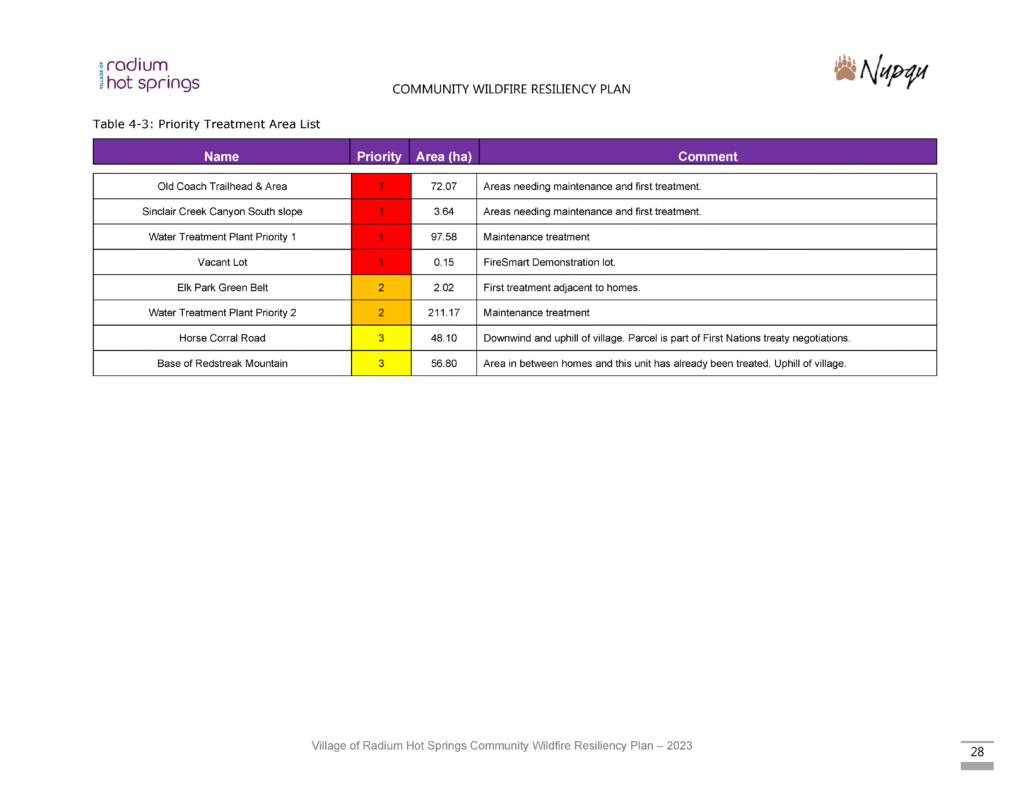
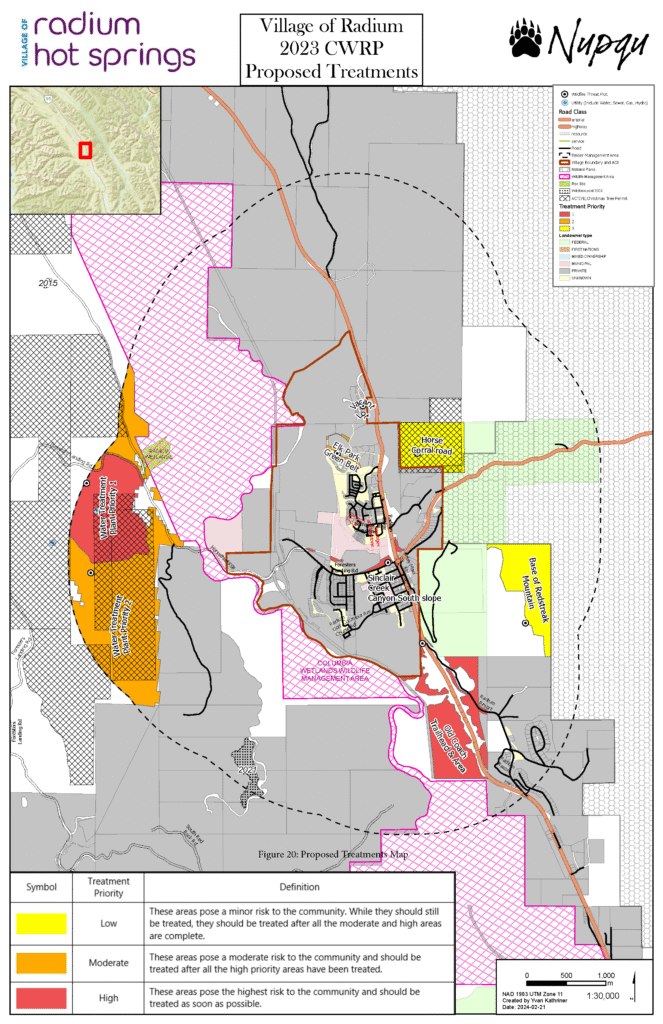
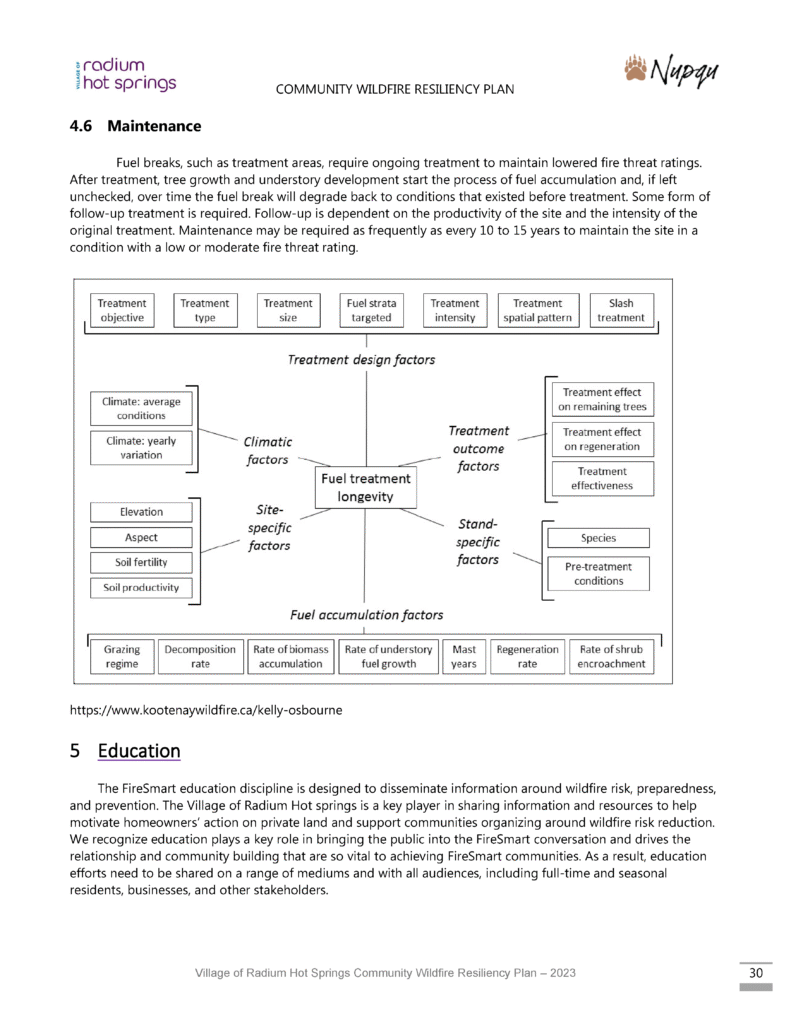
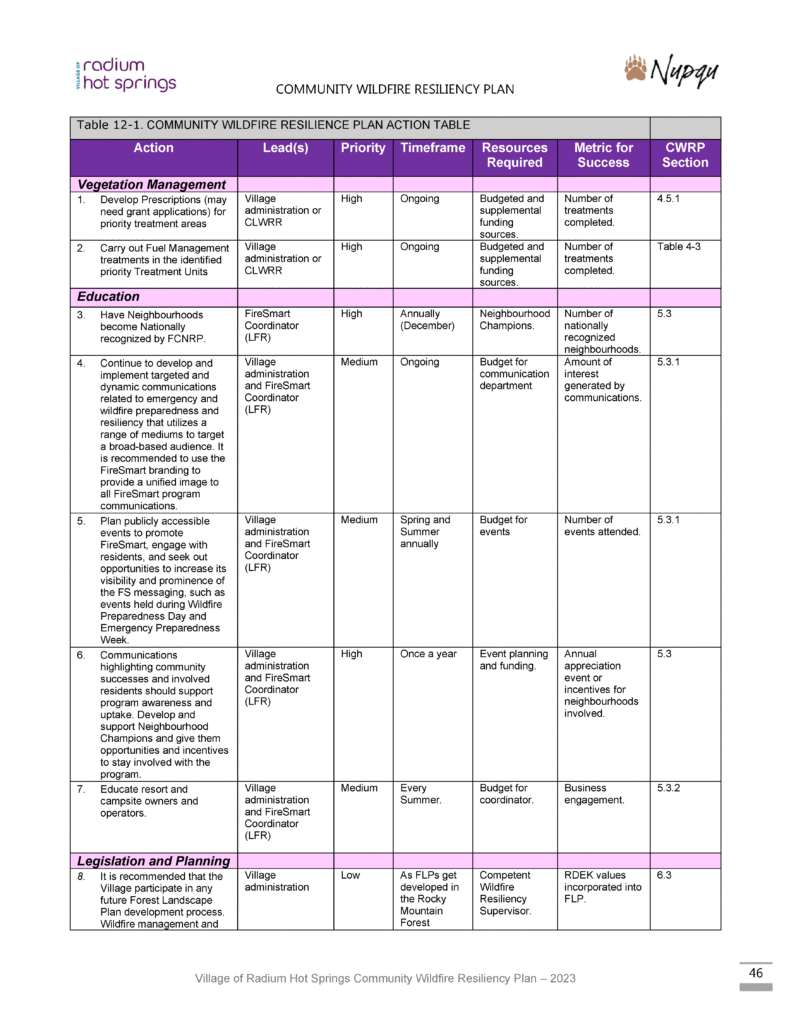
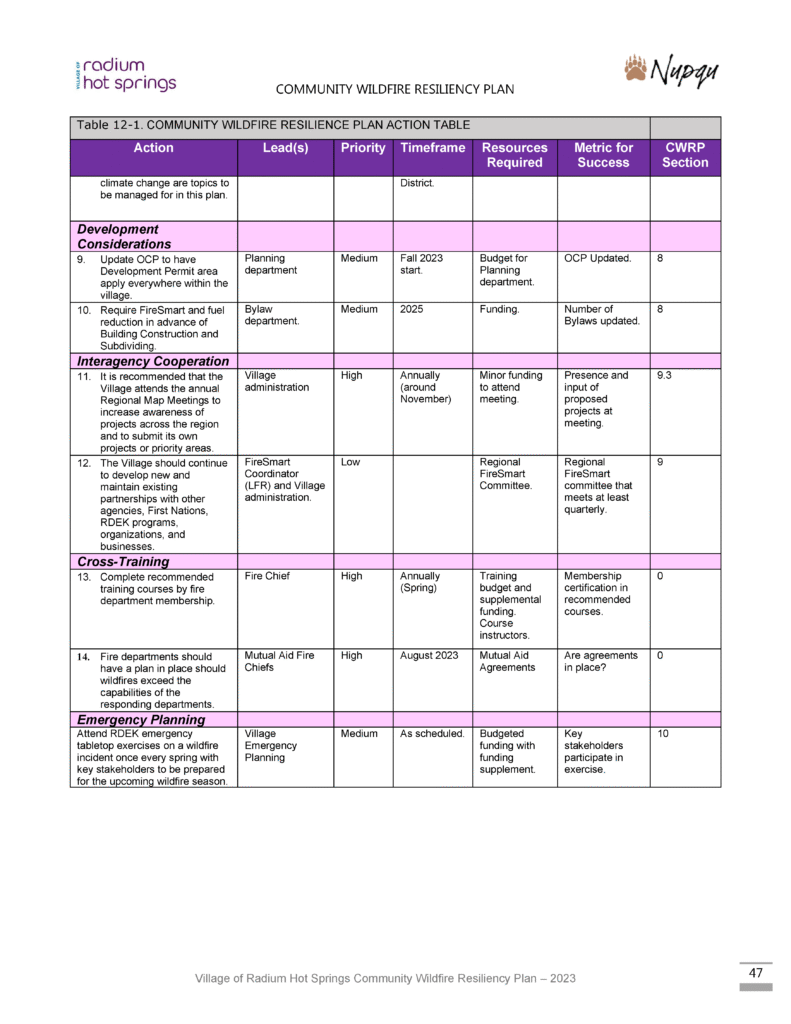
The CWRP also provides a framework for proactive vegetation management. It reviews past fuel management efforts and when needed proposes new, more effective, treatments. The plan recommends creating landscape-level fuel breaks, which are strategically placed areas of modified vegetation designed to slow down or stop the spread of a wildfire. The plan includes a list of priority treatment areas. A proactive approach aims to reduce the intensity of potential wildfires and increase the safety of the communities.
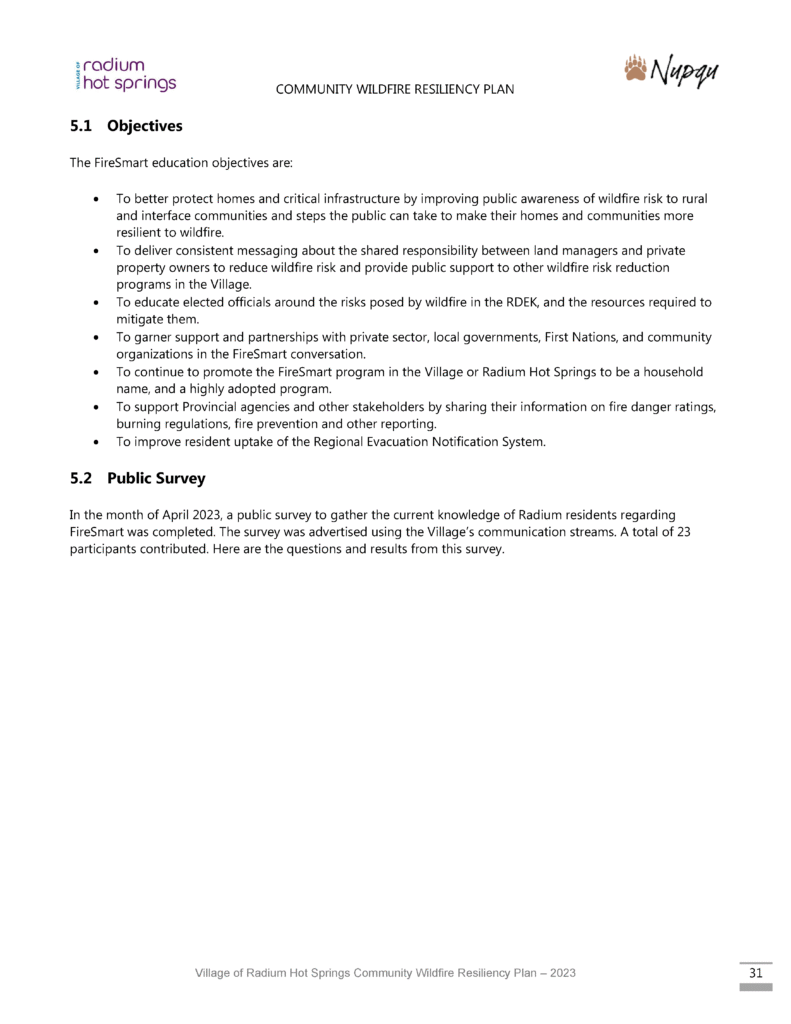
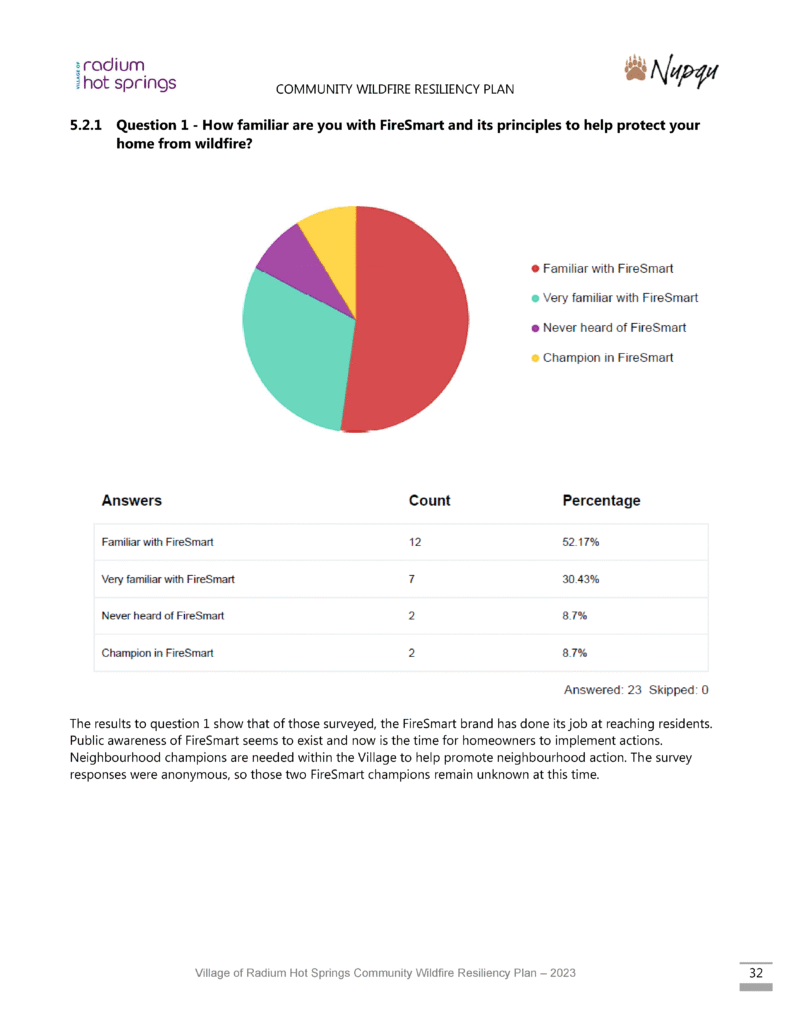
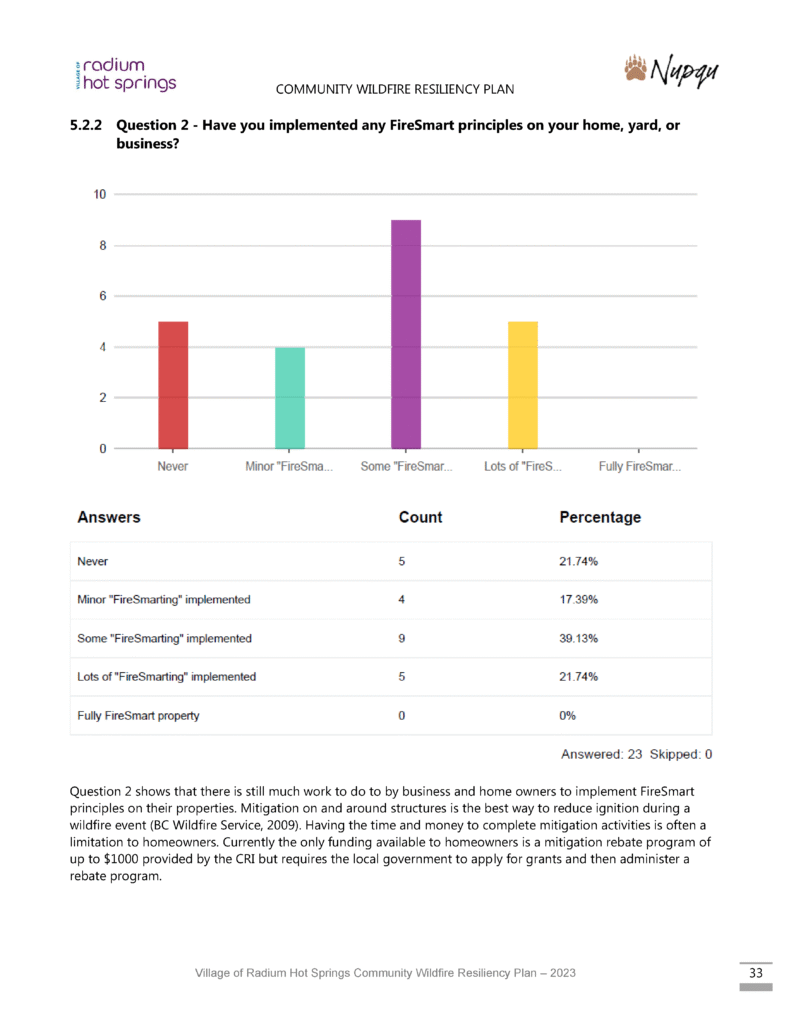
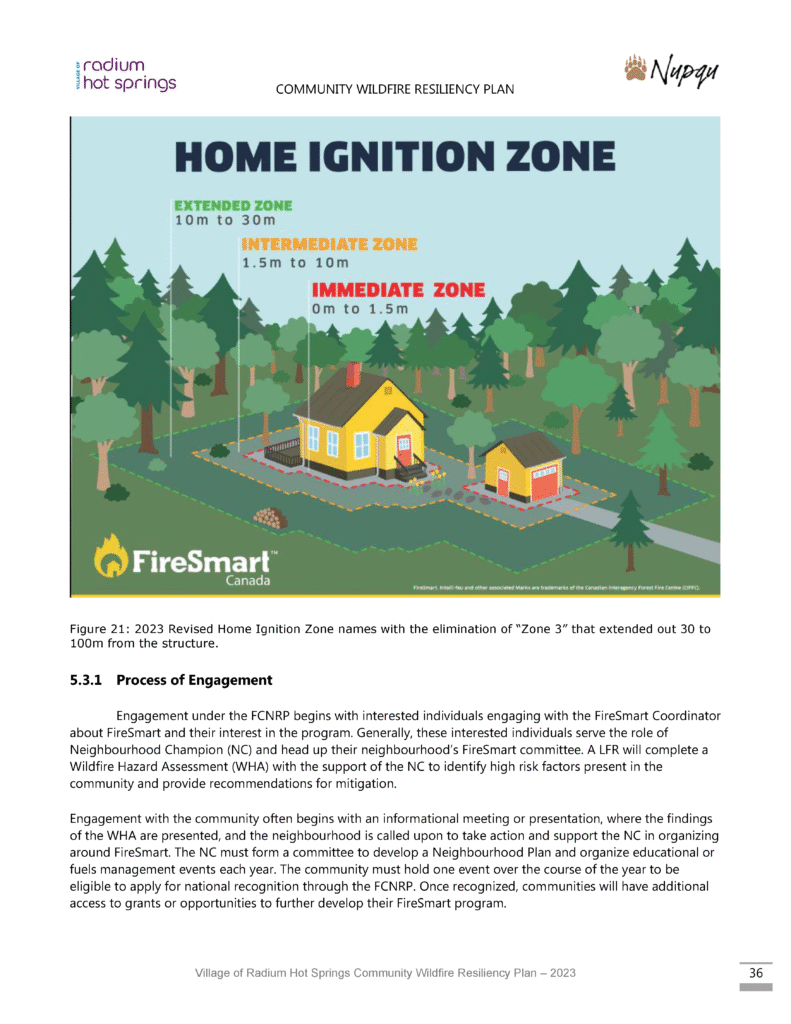
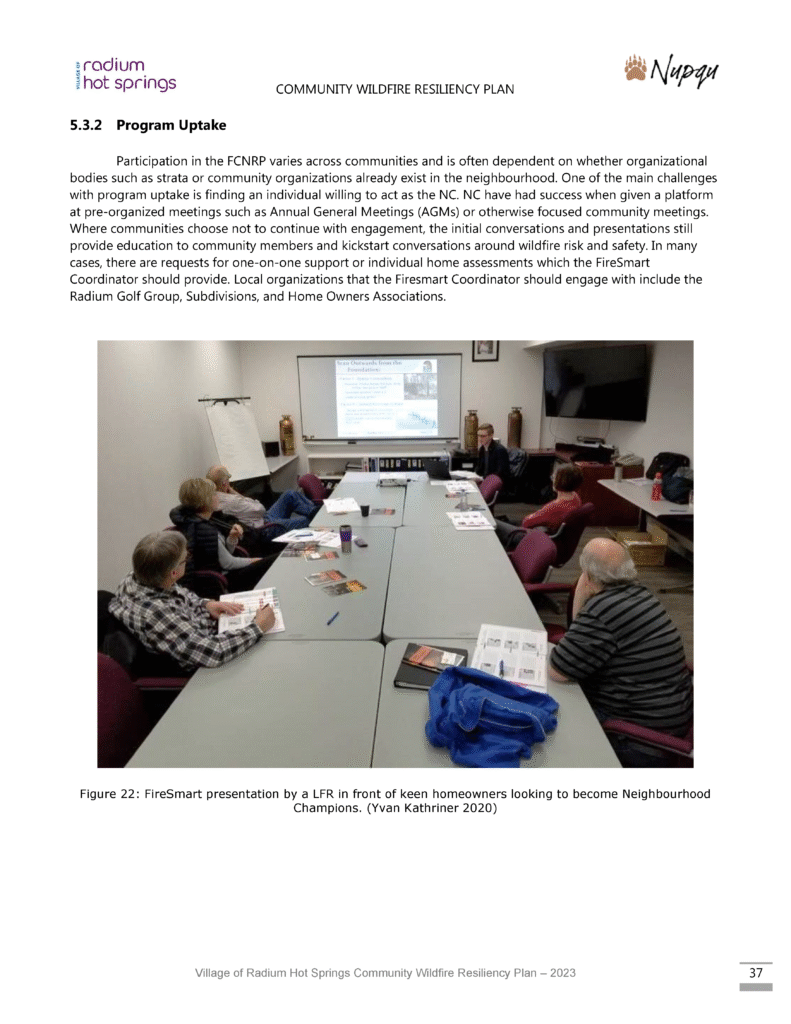
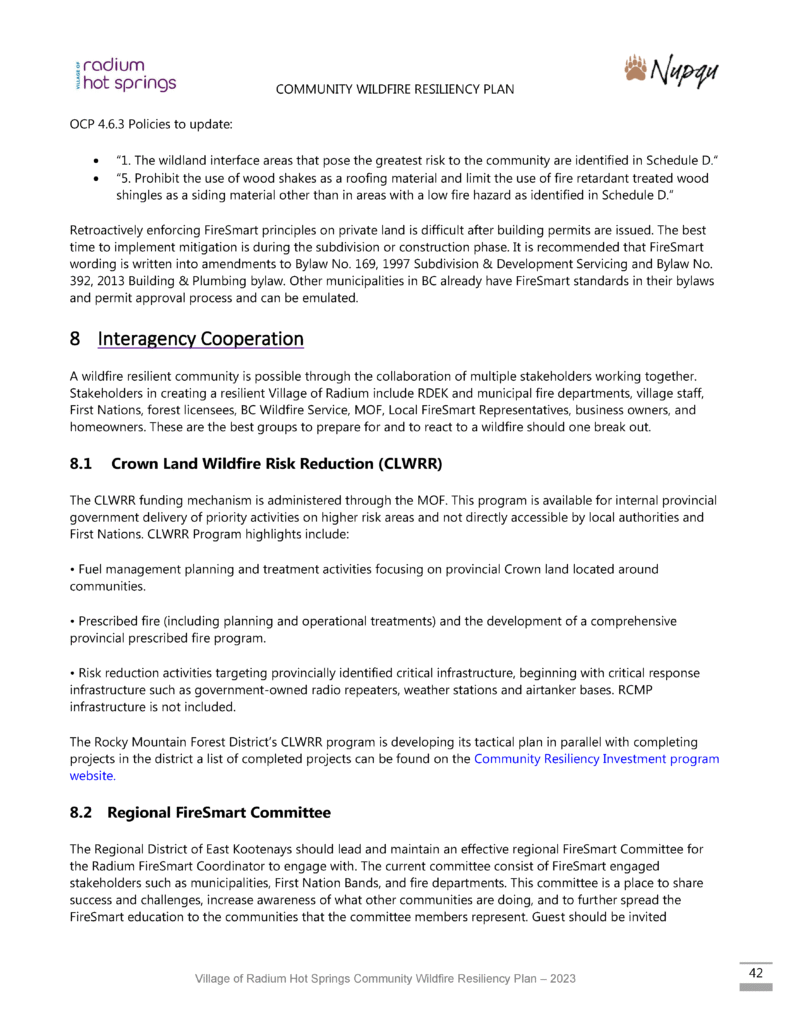
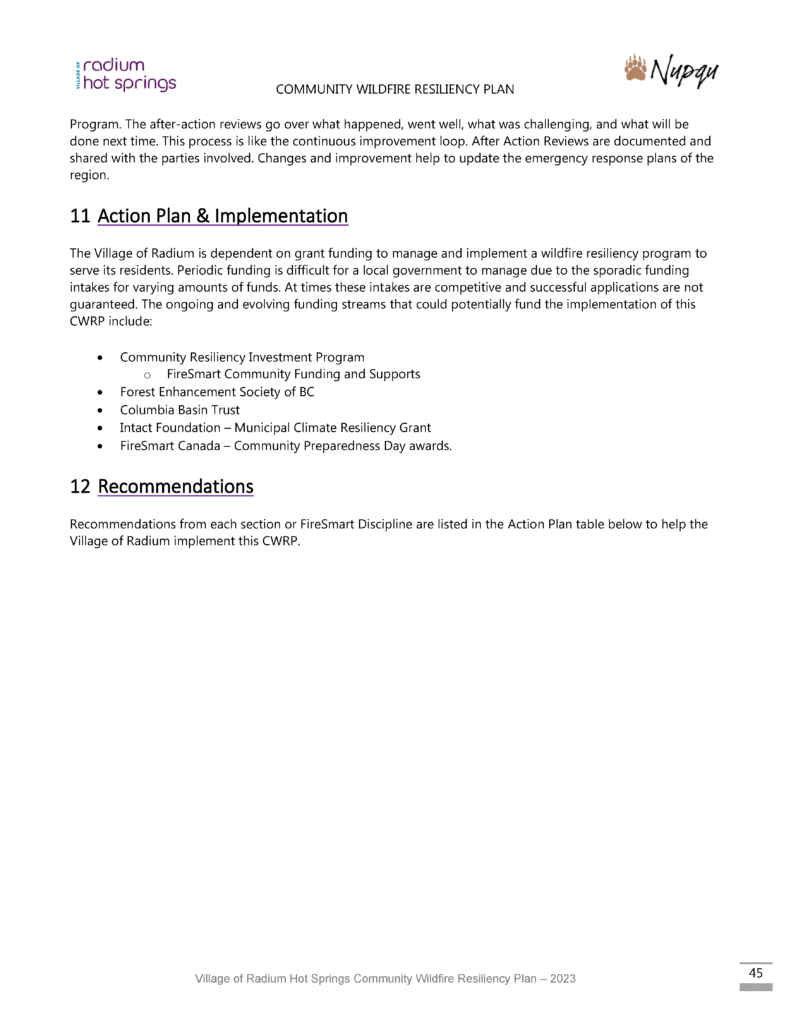
Furthermore, a CWRP establishes guidelines for community education and engagement. We emphasizes the importance of public awareness, encouraging residents to adopt FireSmart principles on their properties. Safety increases by having a FireSmart Canada Neighbourhood Recognition Program, a model that promotes collective community action. By engaging residents and businesses, the municipality can foster a culture of shared responsibility for wildfire prevention.
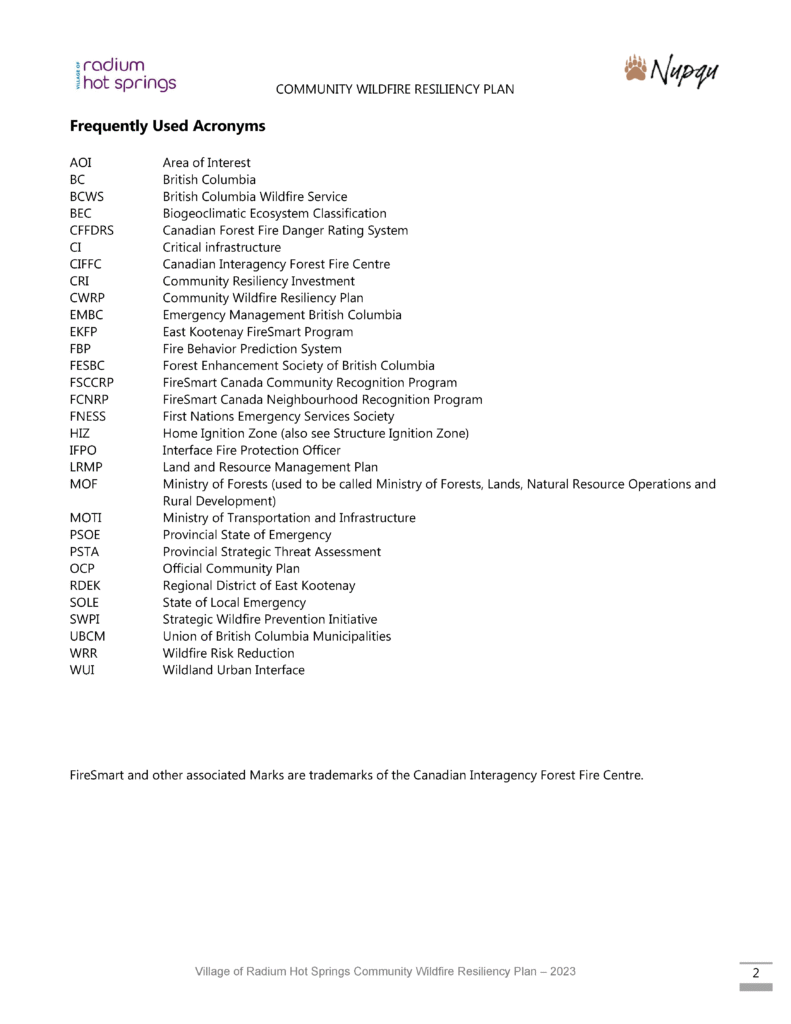
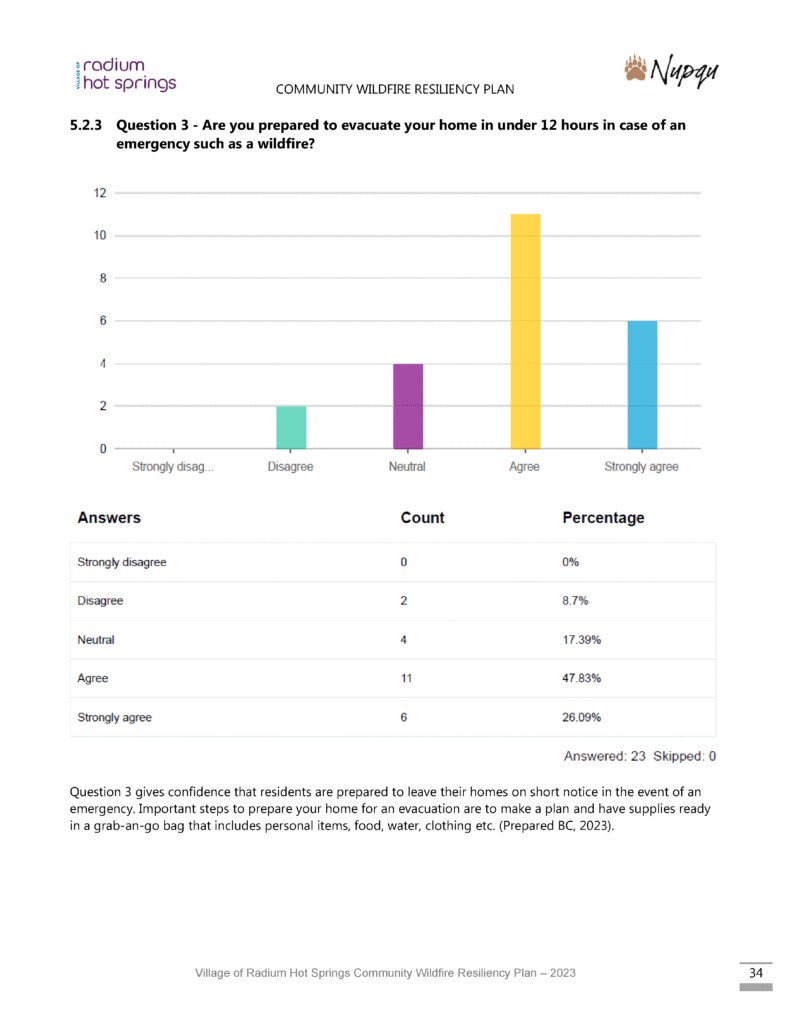
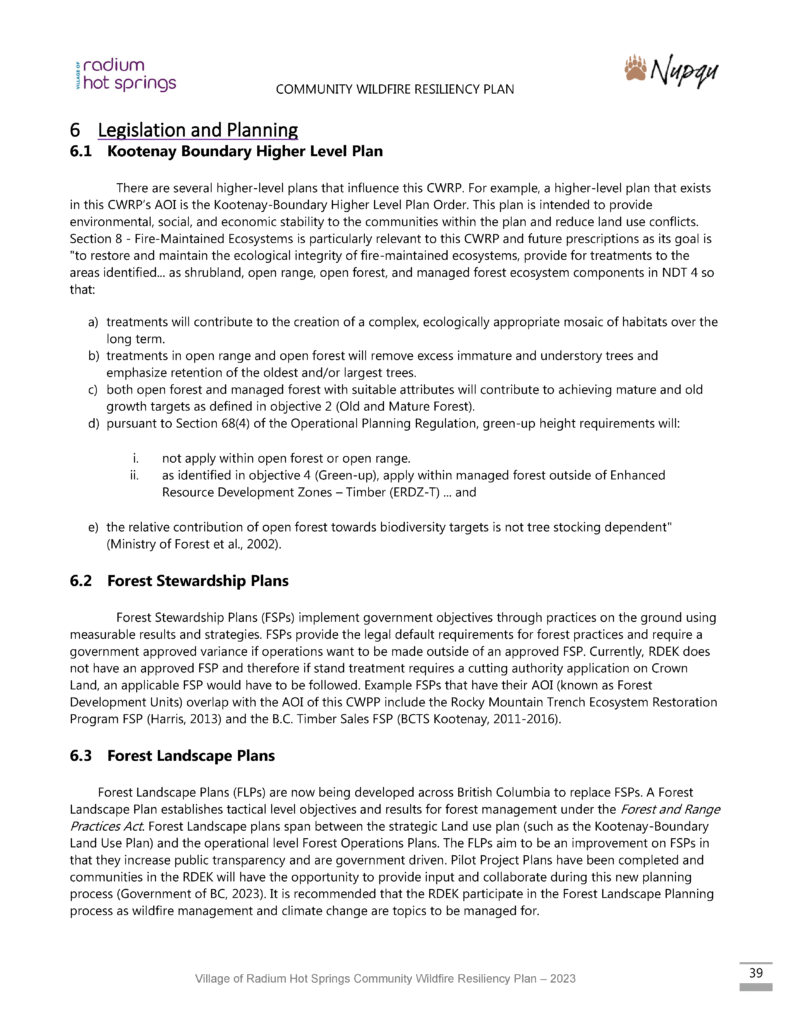
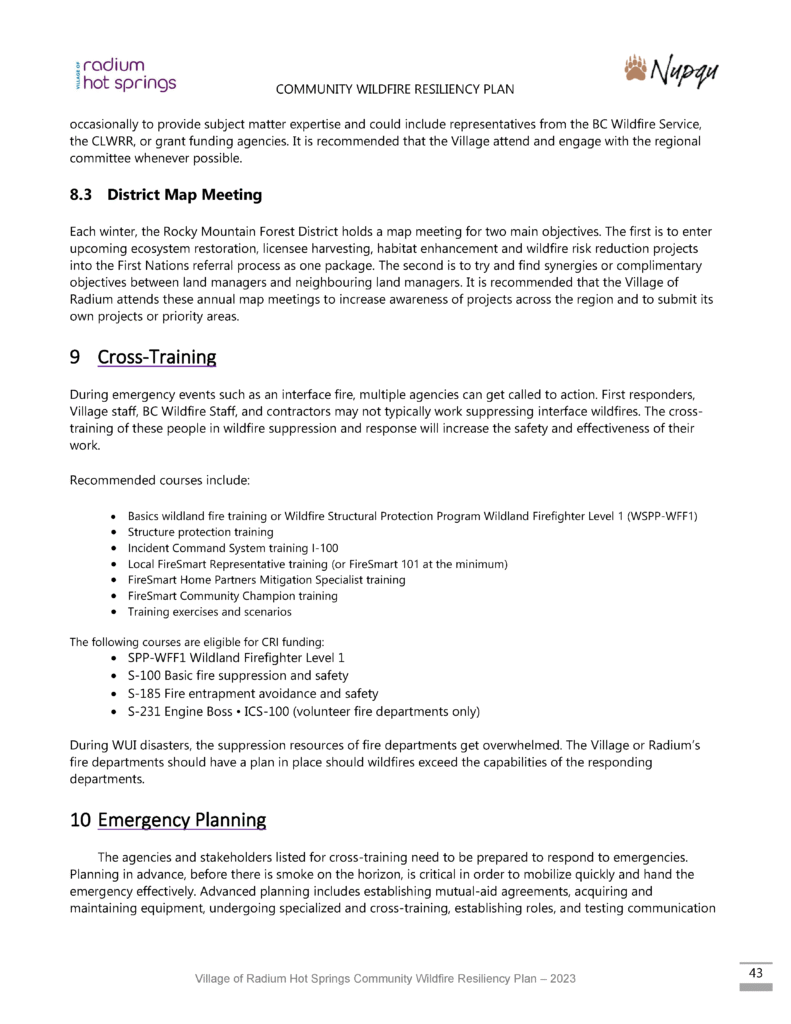
Our plans also addresses legislation and planning, inter-agency cooperation, cross-training, and emergency planning. This comprehensive approach leads to a more coordinated and efficient response during a wildfire event. Our plans emphasizes the need for cross-training of multiple agencies in wildfire suppression and response. By enhancing emergency planning, a CWRP helps a municipality better manage an evacuation, establish communication systems, and ensure a rapid and effective response during a wildfire.
In summary, a detailed fire safety plan like the Radium CWRP provides a municipality with a road map for building resilience to wildfires. It offers detailed information about risk, fuel management, and education, while also guiding the legislative and emergency planning process, ultimately contributing to the safety and well-being of the community.